I often get the following question: “Can you talk about adaptogenic herbs—are they a myth or a reality?” You’ve probably seen glowing descriptions of the properties of these plants and thought, “Wow! Seriously? Can they really do all that?”
So, I’m going to take a thorough look at the subject. I’ll present the history, the general properties of adaptogens, and I’ll add my own perspectives, my own evaluations based on nearly 20 years of experience.
That means we will get into something a little biased. Because it reflects a journey—mine—in a complex world of plants and humans. So, I’ll try to stay neutral and factual on certain aspects, and when we get to the more personal parts, I’ll do my best to flag them for you.
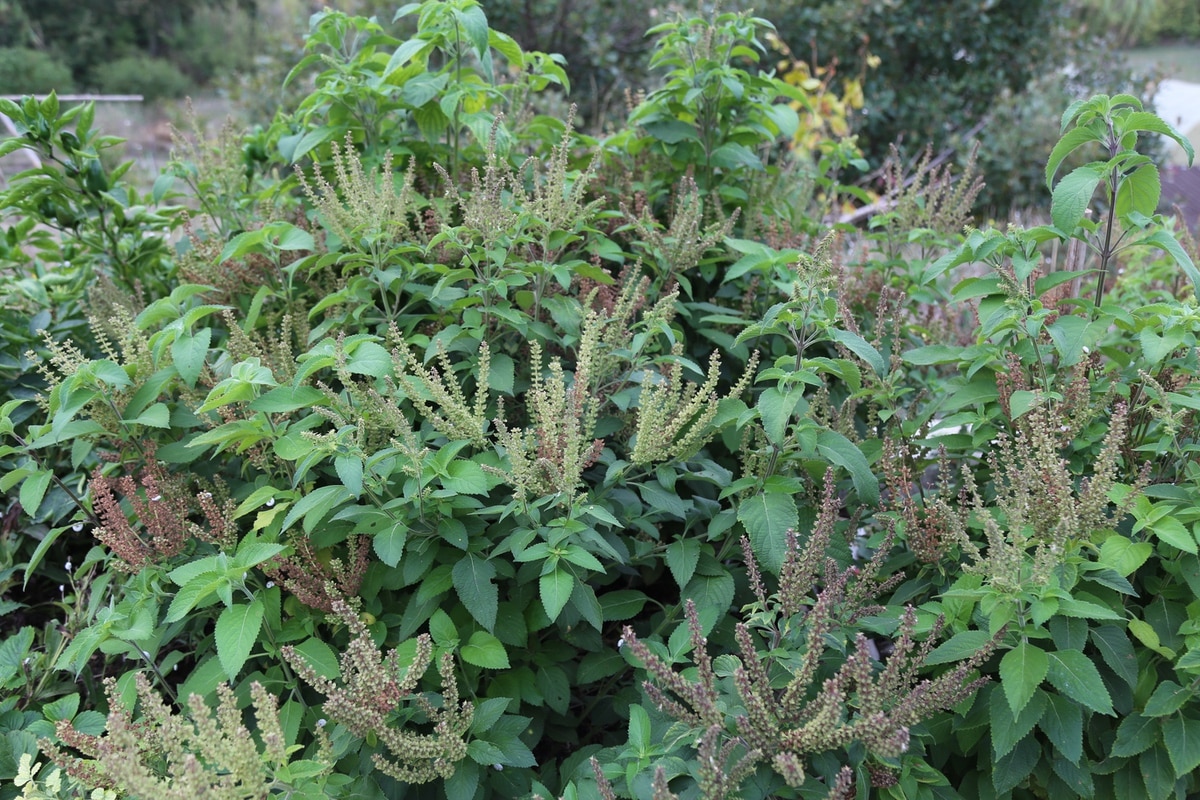
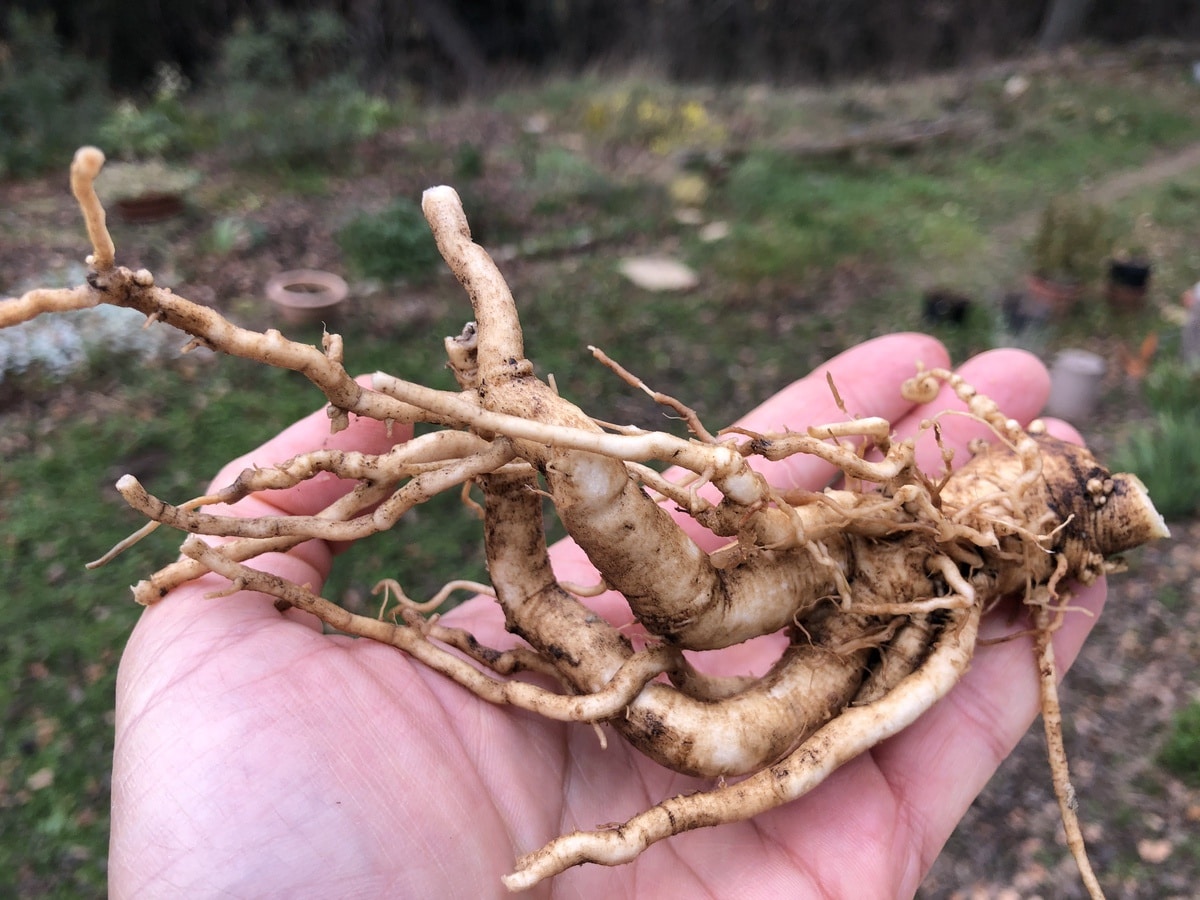
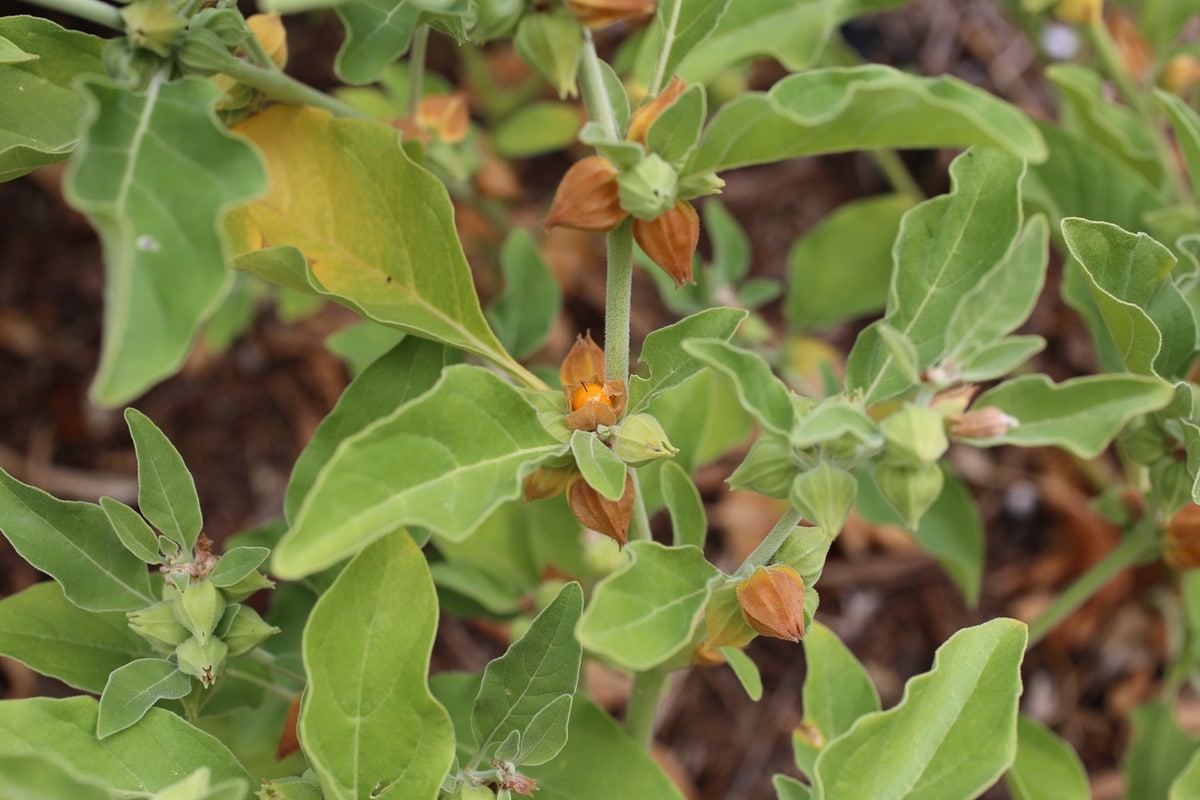
Here’s a list of the most well-known adaptogenic herbs: Asian ginseng, American ginseng, eleuthero, rhodiola, holy basil, ashwagandha, schisandra, astragalus, reishi, cordyceps. It’s not an exhaustive list, but at least it gives you an idea of the plants we are talking about.
I’m going to split this discussion into two episodes. In the first one, we’ll talk about the history, the definition of an adaptogenic herb as coined by the Russians, the properties and indications of this category of plants. And remember that we’re staying at the level of a whole category, a group of plants—we won’t dive into individual herbs just yet.
In the second episode, I’ll share my own evaluations based on my private practice. We’ll look at some potential pitfalls to avoid with those plants. We’ll also discuss the parts of the definition that don’t quite match what I’ve observed in my practice. So, Part 2 is really the more personal part, whereas in Part 1, we’ll stay more general.
Before we start, a quick but important reminder: I am not a doctor, pharmacist, or licensed healthcare professional. The information shared in this episode is for educational and informational purposes only. It is not intended to diagnose, treat, or cure any condition, and it does not replace professional medical care. Always consult your physician before starting any new herbal protocol, especially if you are pregnant, nursing, or taking medication.
Alright, let’s start with a little history. Because history is always important for grounding a discussion and understanding how we got here.
We’re talking about special plants here. These are plants that support what we might call an individual’s “vital force.” A very vague and poorly defined term, I’ll admit. In Chinese medicine, we talk about concepts like Qi; in Ayurvedic medicine, we talk about Prana. It’s possible that a long time ago, in the Western world, Galen, the famous physician of the Roman Empire, captured this concept through what he called “pneuma”. A concept that didn’t really endure in our culture, though we did retain vitalism in certain schools of practice. But overall, at the heart of our Western views on health and well-being, we haven’t really kept this concept of vital energy that underpins everything.
And as a result, we don’t really have plants that support this vital force. Although in the second episode, I will ask the question, Is it possible that our own great tonic herbs fit the Russian definition? More on that in part 2.
To understand the history of adaptogens, we have to travel back in time to Russia. During World War II, in Russia, scientists started to look toward China (and probably India as well) and saw a very rich pharmacopeia with plants that seemed to stimulate vitality in an effective and lasting way. Keep in mind they wanted to build a strong, resilient Soviet Union. They searched for ways to optimize physical and mental faculties. So possessing these plants became strategic.
The first Russian scientific study was published in military journals during World War II and focused on the tonic effects of schisandra berries (Schisandra chinensis) (1). As always, you’ll find all references for this episode on my website. This research was inspired by ethnobotanical studies from the late 1800s and early 1900s conducted in Siberia and Manchuria. Schisandra fruits were used by hunters of the Nanai tribe to reduce fatigue, decrease their need for water, and improve night vision.
So it all began with schisandra. Then, in the early 1960s, the Russians launched a massive number of studies on eleuthero (Eleutherococcus senticosus), schisandra (Schisandra chinensis), Asian ginseng (Panax ginseng), rhodiola (Rhodiola rosea), and other plants that grew in certain regions of the vast Soviet territory, like maral root. By the early 1980s, more than a thousand studies on the subject had been published (2).
Adaptogenic plants were officially recognized by Russian medical authorities in the early 1960s. They became essential for space exploration, Arctic and Antarctic expeditions, Olympic athlete performance, chess players, Bolshoi Ballet dancers, nuclear industry workers, and other sectors considered vital to the country’s economy or prestige.
All the studies from that era were written in Russian and remain difficult to access, so little of that research is available today. Moreover, the Soviet government was so invested in these plants that they forbade researchers from discussing results or publishing papers outside Russia.
There are plenty of stories about how these substances were tested on humans. I’ve heard that, for example, one group of men would be given rhodiola while another group went without. Then, everyone would be thrown into icy water, a stopwatch would start, and the researchers would see who lasted the longest—with those taking adaptogens performing much better.
Most of the tests took place in Siberia under the control of the Ministry of Defense. They evaluated soldiers’ endurance in the freezing Siberian nights and at high altitudes in Afghanistan. It was in this context that Russian military cadets were given eleuthero, schisandra berries, and rhodiola root. Rhodiola helped soldiers stay awake longer during periods of sleep deprivation.
Among athletes, rhodiola was also extensively studied. All Olympic athletes took it, showing improved endurance and faster recovery times. It is said that biathletes could shoot targets at the end of a race, despite extreme fatigue, without their arms shaking—an impressive feat in itself.
In the 1980s and 1990s, review studies began appearing in English, written by Russian scientists. The most well-known researchers in the field were Lazarev, followed by Brekhman and Dardymov, and later Panossian. These were the figures who, to my knowledge, had the greatest influence on the growing interest that followed. It was Brekhman and Dardymov who developed the definition of an adaptogenic plant, which we’ll discuss later.
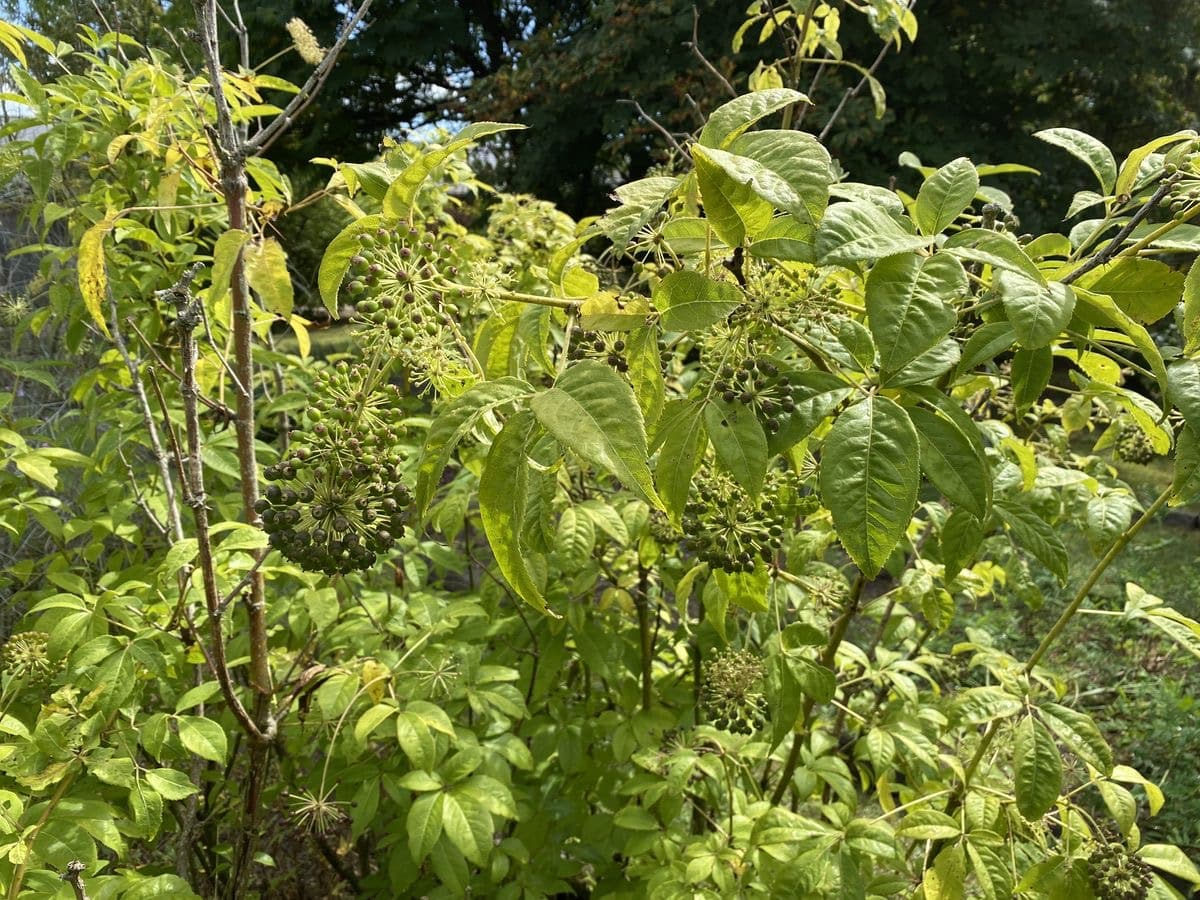
At this point, I’d like to spend some time on eleuthero—a plant that holds a truly unique place in Russian research. Since it grows in the cold lands of Siberia, I suspect it was abundant back then. Unfortunately, that’s no longer the case today due to demand, and the plant may be nearing extinction in certain regions, particularly in China.
But let’s go back to the 1960s. The first study on eleuthero was published in 1958 by Brekhman, one of the pioneers of adaptogen research in Russia, as I mentioned earlier. After that, numerous studies were conducted by the Russian Academy of Sciences.
Today, Russian archives have uncovered a total of 46 studies on eleuthero conducted between 1962 and 1986 (7). 29 of these were controlled, placebo-based trials. The research focused on physical and mental energy levels under various working conditions, temperatures, and altitudes.
They also studied the plant’s protective effects against the flu, its impact on hearing loss, on sensitivity to UV radiation, and on color perception. So the scope was quite broad, but it all centered on energy and performance for different tasks.
There were also a few studies on the plant’s usefulness in treating diagnosed conditions. Six studies examined cardiovascular disorders in patients with hyperlipidemia, heart failure, and atherosclerosis. For example, in one study, 69% of the intervention group experienced a disappearance of chest pain, 62% no longer felt shortness of breath, and 80% reported reduced fatigue.
Several studies looked at eleuthero use during cancer treatment—specifically chemotherapy. The results showed an improvement in patients’ overall condition and immunity. When combined with radiation therapy, eleuthero reduced collateral damage, improved appetite, and enhanced sleep.
Across the different studies, the form used was a 1:1 concentrated liquid extract—meaning 1 gram of the liquid corresponded to 1 gram of dried roots. This is quite concentrated, and what we call a fluid extract, following the pharmaceutical codex definition. The liquid was 40% alcohol, and dosages ranged from 20 to 40 drops, three times a day, for 30 days.
If we compare this to a standard eleuthero tincture—which is usually five times less concentrated than a fluid extract—that would translate to 100 to 200 drops of tincture, three times a day, for 30 days. Just to give you an idea of the “effective doses” used back then. It’s interesting, isn’t it? Today, we often see underdosing that leads to… well, not much of an effect at all!
In some studies, they also tested a single high-dose administration—up to 8 mL of liquid extract at once—and observed rapid improvements in physical and mental performance. Conversely, one study tracked long-term use over a year and a half.
So here, we’ve looked at just one adaptogenic plant with numerous studies and applications. But the Russians explored an entire list of them. The wealth of information, potential uses, and possible indications is enormous. That said, the methodology used at the time is now questioned—small sample sizes, lack of double-blind trials, and so on.
So let’s get a little more specific.
The range of uses for the central nervous system is quite broad. Adaptogens are used to support periods of prolonged stress—whether that means signs of excess and overexcitement (where you feel like you’re burning out but you are still wired and tense, you still have lots of energy left, but you need a calming influence) or signs of deficiency and fatigue (where you’ve pushed beyond your reserves, given your current capacity and age).
A strained nervous system can also lead to states of depression or anxiety. Of course, there’s a significant psychological component to address, so make sure you’re working with qualified therapists. But when stress undermines emotional well-being, adaptogens can be part of the solution. Some have shown anxiolytic and antidepressant properties.
So overall, this category—“rebalancing the nervous system”—whether overexcited or depleted, is probably the number one scenario where adaptogens come to mind in our practice.
Of course, based on the Russian experiments, we can say that from a more physiological stress perspective, adaptogens are used to prepare specialized workers or athletes for extreme conditions—cold-water dives, physically demanding environments, and so on. That’s why these plants quickly became popular in sports, unfortunately. They became a fad, which led to overharvesting and misuse.
Next, we have immune system dysregulation, often caused by chronic stress. This includes low immunity or autoimmunity. They can help ensure immune function doesn’t collapse, which is sometimes seen in degenerative diseases that exhaust the body. So they are a good, long-term support for chronic degenerative deseases.
Finally, adaptogens have demonstrated such a wide range of properties in studies that they almost defy categorization. They may help with cardiovascular issues (atherosclerosis, hypertension, hyperlipidemia, etc.), metabolic syndrome and type 2 diabetes, allergies, and chronic respiratory issues.
It’s believed that these broad effects stem from their influence on the hypothalamus-pituitary-endocrine axis (5)—whether the HPA axis (hypothalamus-pituitary-adrenals) (3), HPT axis (hypothalamus-pituitary-thyroid) (4), or HPG axis (hypothalamus-pituitary-gonads) (6).
Adaptogens appear to help these major regulatory systems function optimally—not too weakly, not too strongly. So it is almost like if you had a chronic health issue, an adaptogen would help most of the time as part of the core protocol. I know this is oversimplistic, but still, it gives you an idea about the generic support they provide.