
Today, I would like to discuss diverticular disease. You may have heard about those pockets that form in the walls of the bowel. They can get inflamed, get infected, and provoke what we call diverticulitis. In this episode, I would like to tell you how we, clinical herbalists, help a person that has this type of problems.
I will mainly talk about two cases that I encountered in my practice. The first one is the person who got a diagnosis through, say, a routine colonoscopy. She does not have any symptoms yet, and she would like to make sure the situation does not progress toward a more problematic state.
The second situation is the person who already had an inflammatory crisis and is asking for help to make sure this does not happen again. The category of herbs will be mostly similar, but there will also be some differences between those two cases. OK ?
Before we start, a quick but important reminder: I am not a doctor, pharmacist, or licensed healthcare professional. The information shared in this episode is for educational and informational purposes only. It is not intended to diagnose, treat, or cure any condition, and it does not replace professional medical care. Always consult your physician before starting any new herbal protocol, especially if you are pregnant, nursing, or taking medication.
First of all, let’s define some terms. We use the broad term “diverticular disease” for the chronic or acute forms of diverticulosis. So what is diverticulosis? Well, it is about the presence of diverticula (that’s the plural; a diverticulum is the singular). A diverticulum is a pocket, in the wall of the large intestinal tract, more precisely in the sigmoid colon.
So imagine the situation here. The intestinal tract is like a tube in which foodstuff is broken down and absorbed. The residues transit over the rectum for evacuation. The transit is supposed to be smooth, without impediment.
In diverticular disease, over many years, the intestinal tract has been stretched too much, and pouches have formed. Those pouches create issues with foodstuff getting stuck. Meaning stagnation and bacterial development. The body hates stagnation; it creates cesspools of stuff. Sometimes, those pouches can get infected and then lead to an acute crisis, sometimes with fever. And sometimes it can get pretty serious, with perforation.
As a matter of fact, as I was preparing this episode, someone close to me had a very serious crisis, and the gastroenterologist said that if another crisis like this one happens, they may need to cut a section of his intestinal tract (what we call a “resection”). Not to scare you, overall, those very acute crises are pretty rare, and most of the time, the acute episode is about serious inflammation, which will resolve by itself, or require treatment with antibiotics.
Most of our work, we therapists who are not of the medical profession, consists of helping people between crises, to make sure it does not happen again. So mostly prevention, just to be clear. We are not playing doctor here, and we require that our clients have a physician managing the situation.
OK, so to summarize :
OK, now that we have defined those terms, let’s talk about the cause of diverticulosis. Those pouches, how do they form? Well, we think they are due to overstretching of the colon mucosa. So… when does it get stretched? Usually when you have chronic constipation. And constipation, very often these days, may be due to lack of dietary fibers, a sedentary lifestyle.
There may be colon motility issues (like something we call “slow transit constipation”), there may be age-related weakness of the mucosa. So, as usual, the situation may be multifactorial, and here, talk to your physician to see what might be the cause, and how you got there, because it will help you better pick lifestyle changes.
If the cause is thought to be chronic constipation and hard stools, then preventing constipation and blockage becomes a big part of the strategy. Overall, today, there is a case for lack of fibers and adding back fibers into the diet. Whether through adding portions of fruits and vegetables or adding gentle sources like mucilages, which will also be beneficial for intestinal flora.
There is a lot of discussion regarding what type of fibers are better, which ones are more irritating and should be avoided. At a high level, we have basically two types of fibers.
Insoluble fibers, like those coming from wheat bran (something that is often recommended when there is constipation), may be a bit irritating to some (especially if there is some kind of intestinal hypersensitivity), but work fine to improve transit in others. So it depends.
A 2016 study (all references are on my website as usual) actually challenges the long-held belief that insoluble fiber protects against asymptomatic diverticulosis, suggesting that its role may be neutral or even harmful in cases of slow transit (Peery 2016). Overall, the long-term goal is to keep a food journal, and to see what foods and meals seem to be well tolerated, and improve transit if there is some kind of underlying constipation issue.
Then we have soluble fibers. They form a viscous gel in the intestinal tube, which helps with transit without irritating the mucosa. Also, its fermentation by the gut microbiota produces short-chain fatty acids, which are beneficial for the health of the colonic tissues (Wong 2006). Those fatty acids reduce inflammation and strengthen the intestinal barrier (Hamer 2008).
That being said, we need to be practical. Some people will be more sensitive to this or that food. If you observe that a particular food is irritating, then you avoid it. But you need to go above and beyond that. We herbalists often ask our clients to keep a food diary up to date, along with how the digestion is going, how the transit is going. If you really listen to what’s happening inside, you will know which foods seem more irritating than others, and which foods slow down your transit. This may take months, but it’s worth the effort.
Seeds and nuts are often excluded in general advice. Raw veggies are sometimes irritating in sensitive people. And again here, there are some exceptions, like ground flaxseeds (also called linseed), which are technically seeds, but very rich in mucilages and can help quite a bit when there is chronic constipation. They need to be ground well, though, and consumed with water so that they can swell and act as moist little sponges. But again, individual sensitivity is important here, and personal validation is what matters.
Overall, the important point here, is that the scientific consensus favors fibers, mostly from fruits and vegetables. If raw veggies are a bit harsh for you, then cooked veggies, steamed or otherwise, will be better tolerated. But a good portion of those will be important for prevention of acute crisis. Add mucilaginous plants like marshmallow root or slippery elm, or finely ground flaxseed or ground psyllium husks; they may help with your transit and act as emollients, soothing the mucosa. Porridge is often soothing and helps with transit.
During a diverticulitis crisis, now, that’s a different story. Follow your doctor’s advice; there will probably be a bland, low-residue, mostly liquid diet during that period. But that is a special case of an acute flareup.
OK, let’s talk about herbal strategies. We will carve out two cases.
The first case is for the prevention of uncomplicated diverticulosis. We will suppose here that the diagnosis has been made, maybe through routine colonoscopy. That there is some digestive discomfort, not much though. May be a bit of inflammation, bloating, spasms sometimes. Maybe stools that are a bit hard, borderline constipation. No diverticulitis crisis in the past.
The main goals here are to reduce stagnation, calm inflammation, prevent further damage and stretching of the bowel wall, and prevent progression toward a diverticulitis crisis. The program may include the following:
With those 4 categories, we would create a program. Here, following the French practice, I would put a tea blend at the core of my program. And then I would add other plants, in other forms like capsules or tinctures, around my tea, if needed.
So let me give you an example. One tea blend could be :
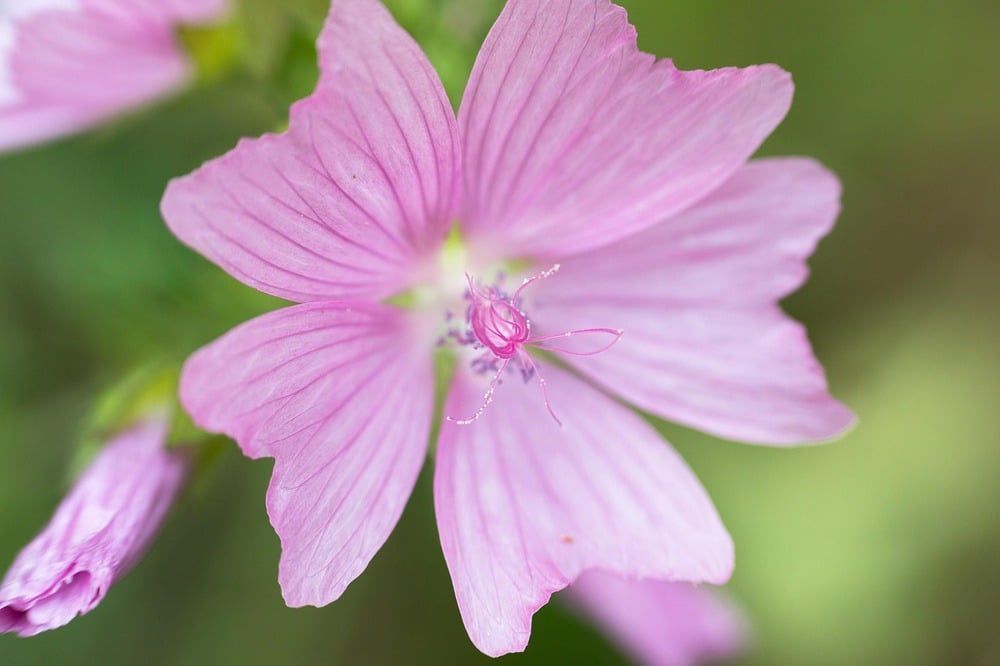
One good tablespoon of that mix per cup, and sprinkle a bit of licorice root powder in the cup for added sweetness and soothing effect.
And around that, we could consider capsules of centella asiatica, of horsetail. If there is a bit of chronic constipation, maybe starting simple with a magnesium supplement and ground psyllium husks in a glass of water, etc. The full program would depend on the person and her constitution. There would be periods of taking certain things, then periods of pause. I may keep the tea blend for everyday consumption. Etc.
On top of that, keeping a food and digestion diary, writing down every food and every meal for a period to better understand what may cause irritation or discomfort. At the beginning, things seem a bit messy, but with time, you will start to notice some trends. This is good information.
In our second case, we have a client that had a bout of diverticulitis in the past. The physician may have prescribed antibiotics. Things are good now, the crisis is behind, but the person is asking for advice to prevent further crises.
Well, our foundation needs to be the categories we already mentioned. So the baseline thinking is what we said for the first case. But we will add some categories:
Here, I would also formulate a tea blend, this time maybe with :
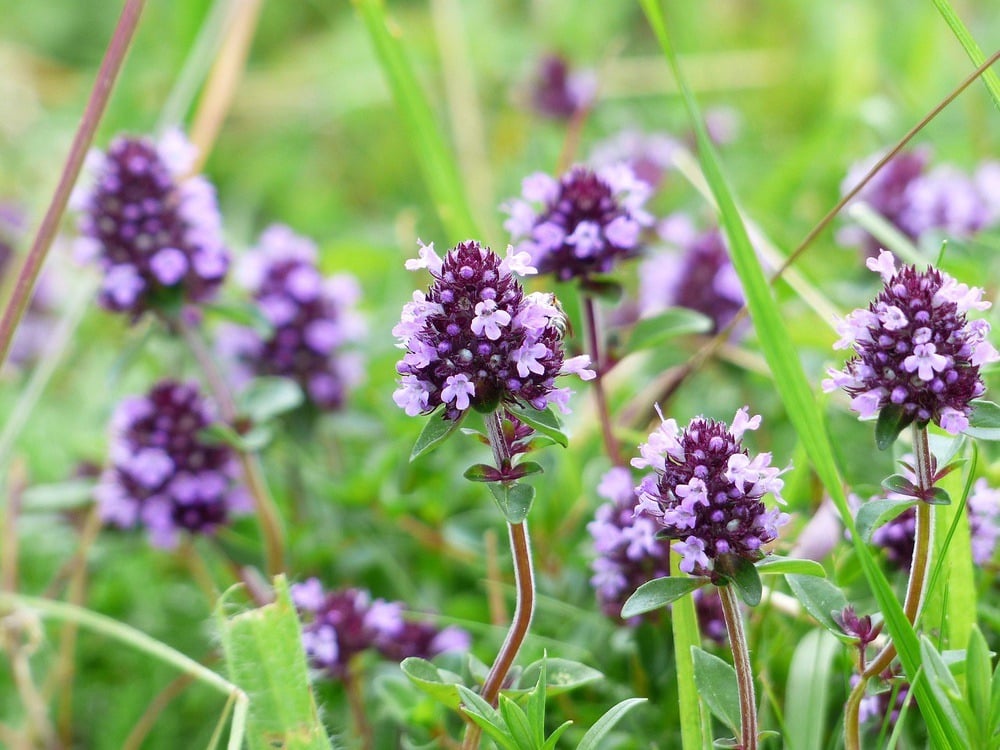
In addition, capsules of turmeric and a tincture of echinacea + calendula. If you live in a country that uses andrographis, that could be a good addition (we don’t use it much in France).
That program would be applied on and off, depending on how the person feels. There would need to be some indication that the bowel situation is getting more inflamed, which would tell the person that she is now at risk and needs to go a little harder on the immune herbs, the antibacterials, etc. So the person would look for things like if your bowel movements are typically easy but you suddenly become constipated, bloating & gas buildup after meals, discomfort, cramping, etc.
So, to wrap up. Diverticular disease is a chronic condition. It requires a long-term approach, not a quick fix. The role here is not to replace medical care. It’s to support the person between crises, to help them build resilience, and to reduce the risk of progression.
The foundation is always the same: adequate fiber intake, proper hydration, movement. From there, you layer in herbal support. Prevention looks different from post-crisis management. Asymptomatic cases need a lighter touch than cases with a history of acute diverticulitis.
True to the French practice, I keep a tea blend at the core of my recommendations. It’s affordable, it’s easy to integrate into daily life, and it keeps the person engaged. I add capsules, tinctures, or other forms as needed. But here, really, consistency matters more than complexity. A simple program that the person actually follows beats any elaborate protocol that gets abandoned after a couple of weeks.
And here’s the practical reality: the person has to own the program and test what works for him or her. Some will tolerate raw vegetables just fine. Others won’t. Some will do great on insoluble fibers; others need mostly soluble ones. That’s why the food and digestion diary is not optional—it’s such a great tool to navigate the situation.
If the person develops fever, severe pain, or signs of an acute crisis, they need to see their physician right away. We’re there for the months and years in between, keeping inflammation low and preventing the next crisis hopefully. That’s valuable work. That’s where herbalists make a real difference.
Thank you for listening. I will talk to you soon for the next episode of TheFrenchHerbal!

Peery, A. F., Barrett, P. R., Park, D., Rogers, A. J., Galanko, J. A., Martin, C. F., … & Sandler, R. S. (2016). A high-fiber diet does not protect against asymptomatic diverticulosis. Gastroenterology, 150(2), 343-350. DOI:10.1053/j.gastro.2015.10.030
Wong, J. M., de Souza, R., Kendall, C. W., Emam, A., & Jenkins, D. J. (2006). Colonic health: fermentation and short chain fatty acids. Journal of Clinical Gastroenterology, 40(3), 235-243. DOI:10.1097/00004836-200603000-00015
Hamer, H. M., Jonkers, D., Venema, K., Vanhoutvin, S., Troost, F. J., & Brummer, R. J. (2008). Review article: the role of butyrate on colonic function. Alimentary Pharmacology & Therapeutics, 27(2), 104-119. DOI:10.1111/j.1365-2036.2007.03562.x