Hey there, Christophe from TheFrenchHerbal.
There is one question people ask me on a regular basis. It’s about calming down young children with herbs. They are hyperactive in the evening, and then they don’t sleep well. So is there a gentle mix of herbs we could use to help a child relax at the end of a long day?
I will give you my favorite herbs here. If you already know your herbs, I don’t think you’ll be surprised. They are used in many traditions to cool down a “hot” and overactive nervous system.
But before we dive in, I think we need to ask ourselves this question: why should we try to calm down these children? Is there an imbalance we need to address, or is the child simply going through normal energy bursts?
It’s a difficult question because our environment has changed tremendously. In the past, children had the opportunity to walk to school, play outside after school, and here in France, they were outdoors all day Wednesday (because it was a day off in primary school). And during the weekend, our parents told us to get the heck out of the house, and just be back on time for dinner.
Today, everything has been completely turned upside down. We live mostly indoors. Children have to stay seated in the car or in the bus. At school, they have to sit for so many hours, then in the cafeteria. The same in the evening when they get home—homework, piano lessons, games, and screens, etc. Sitting, sitting, sitting. Maybe with a bit of sports in between.
What happens when you take children bursting with energy, and you plop them on a chair for the whole day? Well, after a while, they blow a fuse. They don’t have the opportunity to just be kids, and that overflowing energy has to come out somehow.
So part of the situation today is something we’ve created. And if we want to solve the situation, it’s going to be up to us, as a society, to solve it. When you think about it, giving a spoonful of syrup to a kid isn’t going to fix the disconnect that we’ve created. Disconnect between our needs as constantly moving animals and our current environment.
Now, I am not denying ADHD or other conditions that are making life very difficult for children and parents. And I don’t have the global solutions; I am not one to give lessons here because I have 3 grown-up sons, and they went through the traditional school system; some of them work at a desk… I am just saying we need to keep talking about this as a group, as a society.

OK, so now I’m going to place myself in a fairly healthy context: a child who has managed to maintain a relatively balanced life. He does physical activities, has the opportunity to get outside, has relatively balanced nutrition.
But despite all that, he or she struggles to calm down in the evening. This affects sleep quality, and we enter a vicious cycle—fatigue, restlessness and excitability, disrupted sleep, more fatigue, etc.
I’m going to present 4 plants that I love, very gentle and well-suited to children.
At what age can you start to use these plants? There’s no consensus today. And I know that’s frustrating. We’re always a bit hesitant with children, and that’s normal.
Health authorities will always take a very conservative position. European authorities, for example, will explain that there isn’t enough data to prove their safety, so they’ll tell you not to use them before age 12, for instance, which is excessive in my opinion—an extreme precautionary principle that leads to paralysis.
Some herbalists will tell you to start at 6 or 7 years old, again to not take too much risk. I once heard… I think it was an interview, or maybe in a book of Aviva Romm, an American physician that you may have heard of, specializing in women’s and children’s health. I would need to double-check, but I think she uses these plants in children starting at 3 to 6 months of age. So you see, there is a wide variation of opinion.
Frankly, these are very gentle plants that we’ve used in our tradition with young children. I used them with my own children starting when they were 1 to 2 years old without hesitation. But I prefer to give you all the information so that you can make your own decision.
Keep in mind, also, that the plant quality will determine whether they work or not. Here in France, we try to go more and more local and buy from local growers and pickers to make sure the path from the living plant to the cup is as short as possible.
I also want to encourage you to have some of these plants in your garden or on your balcony. They are easy to grow. And it’s a wonderful project for kids—sowing little seeds, transplanting, watering, taking care of the plant, and then going to pick a few leaves or flowers to prepare herbal products. That’s part of the experience. It makes them realize that nature nourishes and cares for us. It makes them more involved in life, more responsible.
The form I recommend, which may surprise you, is a cup of herbal tea. This is grounded in the French herbal tradition. I know we got used to little drops or syrups or gummies to make it easier or tastier for kids. But in our past, kids drank a cup of herbal tea. It is doable with the plants I will present. You can add a little honey if necessary to make it more drinkable.
In general, it’s always good to take these plants over days or weeks, without interruption, to take advantage of the compounding effect. But you can also give them occasionally—they work that way too. That said, giving them without interruptions for at least, say, a couple of weeks is better. Meanwhile, you observe whether the situation improves or not.
And you can combine both approaches: do a course lasting a couple of weeks at times when the child seems particularly agitated, then for the rest of the time, use them as needed. One day here, one day there.
Another point: I recommend making it a little ritual for everyone in the house, adults and children included. After all, a little cup of relaxing herbal tea at the end of the day—what do you think? Everyone can benefit, right? And it will go over much better with the child if everyone’s drinking the tea, rather than if he or she is the only one who has to drink that brew.
OK now, let’s talk about the actual herbs. The first one I’m proposing is German chamomile.
In the US, herbalists just use the term “chamomile.” In France, we make the distinction between German chamomile (Matricaria recutita) and Roman chamomile (Chamaemelum nobile). The first one is great for kids, quite sweet and aromatic, tasting a bit like honey, with some bitterness coming out if you put too much or let it infuse for too long. But overall, it makes a very pleasant herbal tea.
Roman chamomile, though, is quite bitter. Very flowery and lovely smell, very strong fragrance, but the taste is quite bitter. Not ideal for kids.
There’s even a third type that we call “great chamomile” in France, which is actually feverfew (Tanacetum parthenium). I don’t think this term “great chamomile” is used in english speaking countries. Feverfew definitely would not be appropriate here, one because it is not considered a calming herb, and two because it is pretty harsh to drink, very bitter with a camphor taste.
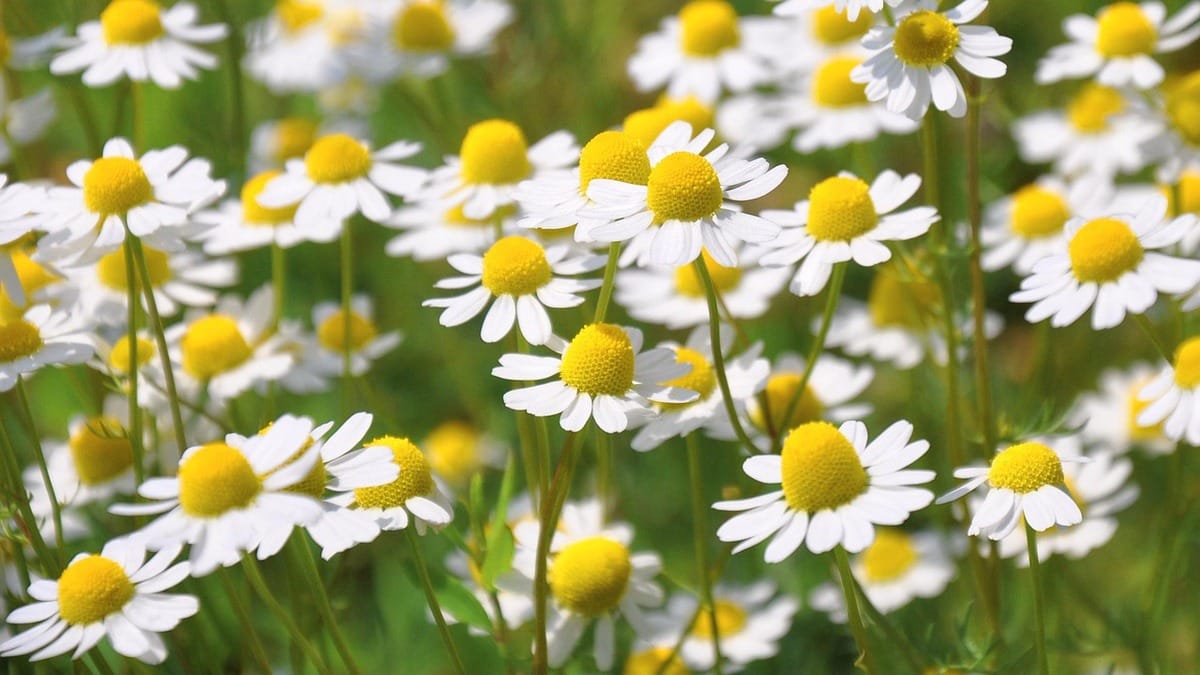
Back to German chamomile, which I’m recommending here. We use the flowers, fresh or dried. If you have them in your garden, make yourself a cup of tea with the fresh flowers, and you’ll see how good it tastes. It’s a real pleasure.
If you don’t have it in your garden, make sure you buy from a quality provider. If you receive flowers that are all crushed and have no smell, that’s a bad start. They should have a nice color and smell, with a soft, honey-like sweet fragrance. You should see some white, some yellow, and a bit of green. It should look like whole flowers. And please, avoid supermarket tea bags like the plague.
The preparation you’ll make for a child: one cup of tea with one heaped teaspoon of flowers. Pour hot water over it, ideally around 160-195°F (80-90°C), not boiling, because this is a very aromatic and subtle plant. Let it steep, covered, for barely 3 to 4 minutes because the longer it steeps, the more you risk drawing out a certain bitterness.
After that, you can add a little bit of liquid honey if needed—it’s simply delicious, one of the best teas you can make. Offer this tea when the child needs to calm down, maybe late afternoon, maybe early evening. Just not too close to bedtime because otherwise you risk having him or her get up to go to the bathroom during the night.
As for precautions: don’t give it to your child if they have an allergy to plants in the Asteraceae family.
Another plant I love is lemon balm. It doesn’t have the same taste at all—it’s rather lemony—but very pleasant too.
It’s a perennial plant that’s very easy to grow in the garden. It doesn’t have a very long life for a perennial—generally you keep it for a few years—but it produces abundantly. It loves sun and regular watering. You can have it in a pot and it will generally give you a large quantity of leaves.
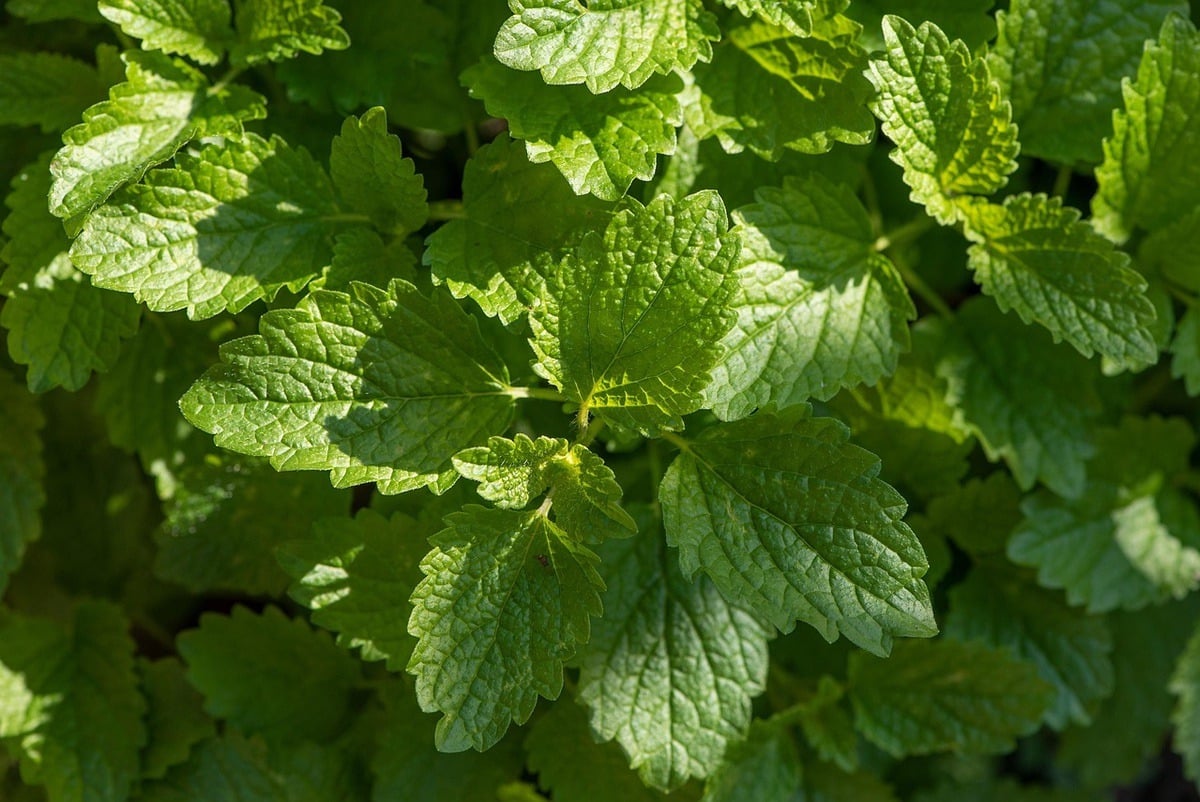
We use the leaf, which we’ll harvest fresh. Put a pinch in the cup, and here you’ll need to experiment with the exact quantity. The goal is to have enough for a pleasant lemony taste but not too strong for the child. Let it steep, covered, for 3 or 4 minutes—that’s enough—then filter and have the child drink it at the right moment.
I love lemon balm because it works on both mental hyperexcitability and the digestive tract. Some children, when a bit stressed, quickly get little stomachaches or disrupted digestion. If your child has a similar profile, lemon balm will relax both the belly and the mind. German chamomile will actually do that too.
I’m not going to tell you to go buy the dried plant from an herbal shop. In fact, dried lemon balm is generally very disappointing, unless you’ve dried it yourself and it’s at most a few months old.
My third plant is the orange tree, or more precisely, the orange blossom. Orange blossom hydrosol is a classic French remedy for overexcited kids. Although here, I will be talking about a simple tea of the flowers.
I don’t know if you will find it in herbal stores in your countries. In France, we find the dried flower buds from Citrus aurantium, which is actually the bitter orange tree.
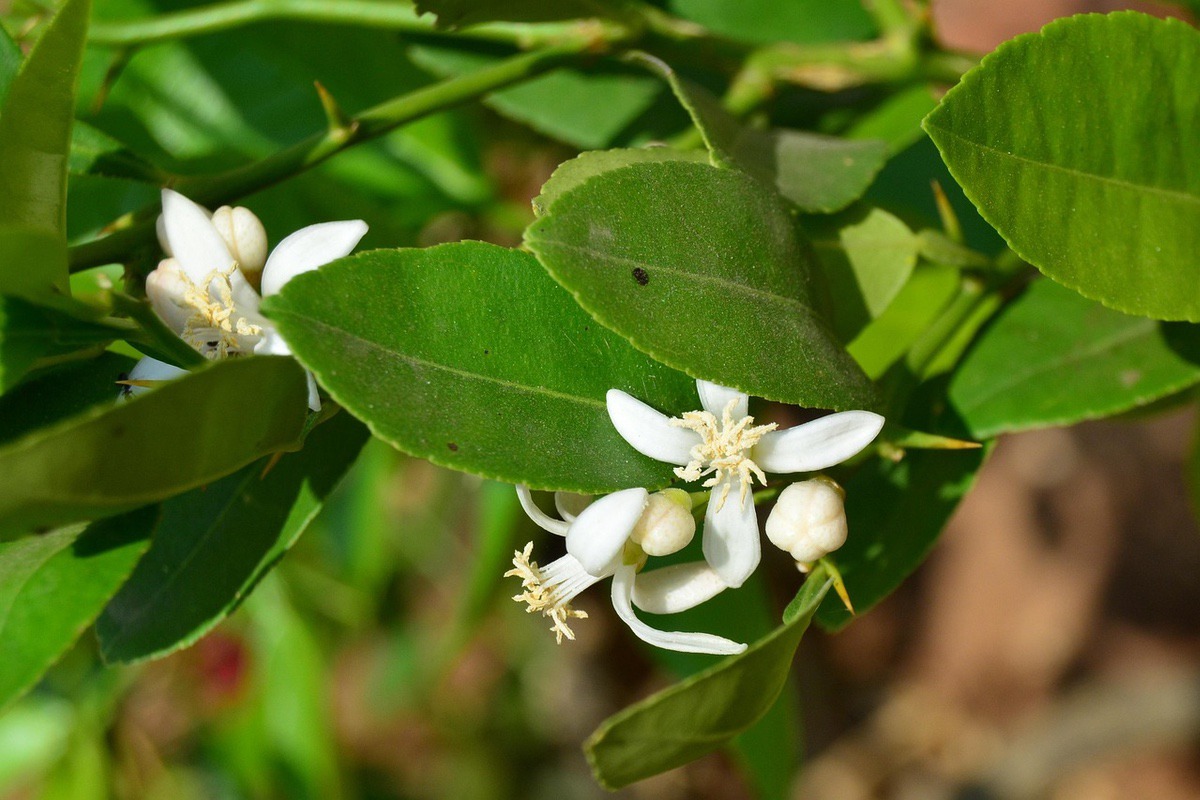
It smells really good. Use a pinch of these flowers and let them steep, covered, in the cup of hot water. You’ll need to sweeten it with a little honey to make it go down better.
If the tea doesn’t go over well, you have what’s called orange blossom hydrosol. So it is a distilled form, a very aromatic preparation. It is not the essential oil, which is very concentrated; it is, well, the hydrosol, a watery preparation that retains a lot of the aromatics.
Be careful: we’re not talking about the orange blossom water you find in the baking aisle of your supermarket, which is loaded with artificial fragrances! Here we’re talking about real orange blossom hydrosol. You will need to go to a herbal store to find it.
You generally use one teaspoon mixed in a glass of water and have the child drink it. That’s it—pretty simple!
My fourth plant is linden, that big tree you see on some village squares in France. We use the dried flower clusters, which include a large bract, a stem, and a few little flowers at the end. It makes an incredibly gentle tea. Use a pinch per cup. Put enough for a good sweet taste.
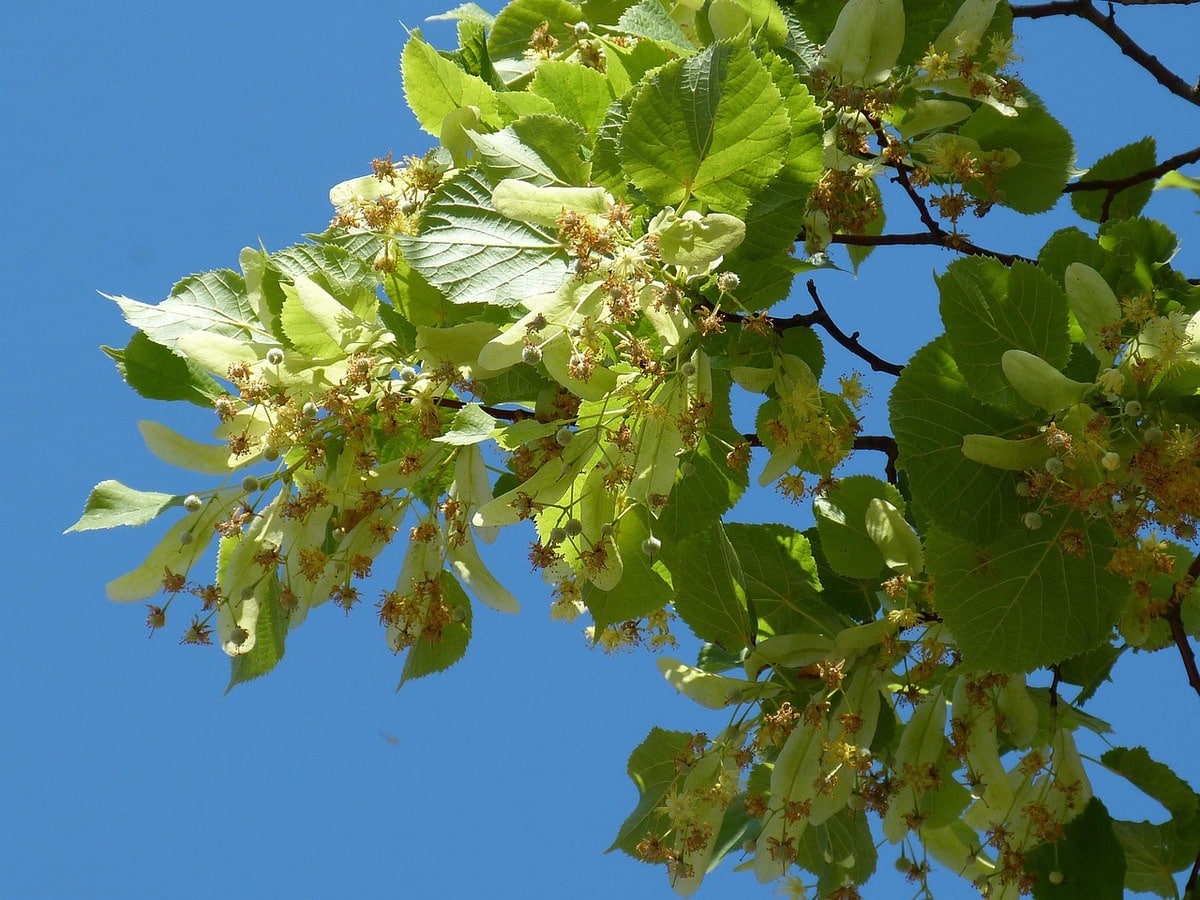
An interesting aspect of linden: it calms many people, but in some, it has the opposite effect—it can excite them. It’s not common, but it may happen. In France, we give the following piece of advice: let it steep for a fairly short time, 2 to 3 minutes, to avoid this problem.
Now don’t worry—it doesn’t happen very often—but it’s good to keep that in mind.
OK, now, what about lavender?
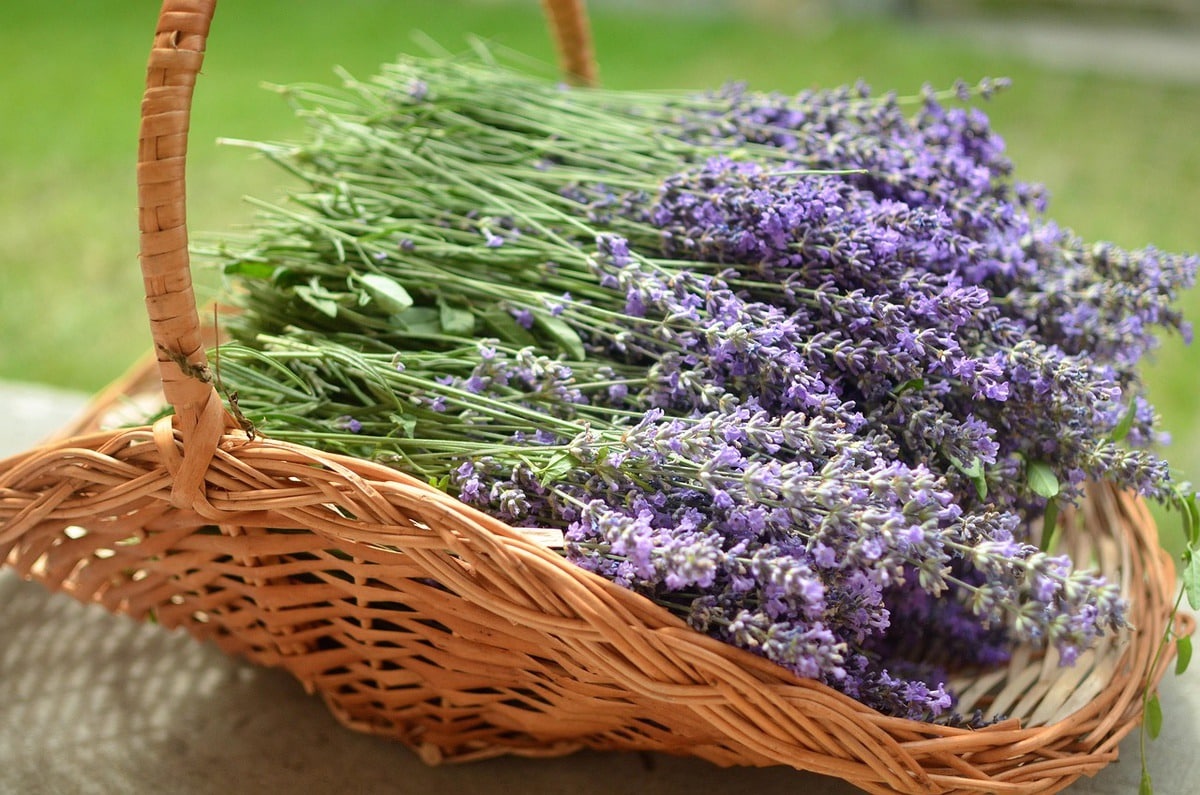
So in France, we do herbal teas of lavender, and we use Lavandula angustifolia, what we call the “true lavender”. Not that the other ones are fake, just that this one is considered the official medicinal one. And it has the least problematic chemotype in the essential oil part. Although we are not talking about the essential oil here, but the whole plant.
Anyway, people often assume that it makes a mild-tasting tea for kids. Well, not really. It is a strong-tasting plant. It is a safe plant, especially if you use Lavendula angustifolia, very calming, while also giving a certain mental clarity. But for kids, either you add a tiny bit of the flowers to a herbal mix containing other plants, or you just use the other plants we talked about.
So that’s my calming plants. There are others, but let’s keep it simple. You have plenty to work with just these four.
As you’ve probably noticed, I encourage you to go back to herbal teas. They are a wonderful form. We stay close to the plant, to the living being. It allows us to do quality control because we can see the plant, touch it, smell it before it goes into the cup.
Our children need to relearn to appreciate… or at least tolerate herbal teas. Very often, they don’t love it, they do it to please the parents. Some do enjoy them; I would say that’s a minority. The interesting thing is that later, it will come back into their life. They will appreciate them when they are maybe in their 20s or 30s. And it will become a major tool for their health. So the daily infusion is important—it’s a ritual.
And you can mix all the plants I’ve talked about. For example, you can make a cup of tea with a mix of fresh lemon balm, straight from the garden, and dried German chamomile, and then add a pinch of dried linden flowers. Super good. Or do a cup of chamomile tea and add a teaspoon of orange blossom hydrosol into the cup. There are many variations possible.
You could use a little cup when they come back from school and a small cup a little later, but not too close to bed.
That’s it, friends. Thanks for being here, I will see you soon for another episode of TheFrenchHerbal!