From the hills of Provence to your teacup—discover rosemary, the timeless herb that protects the liver, sharpens the mind, and strengthens the heart.
Hey there, Christophe from TheFrenchHerbal.
Today, we talk about a plant that I picked when I was a kid. We were living on top of a very rocky hill, and my grandma, who was living nearby, would ask me to go pick a bunch of it for her famous ratatouille. To this day, the smell brings me right back to my childhood around here, in the hills of Provence.
So I am honored to share with you a much beloved plant, one that I have used quite extensively in my practice as a clinical herbalist: rosemary.
I will explain why it is such a powerful plant for the liver. Why it is a great tonic for the mind. And why we should position it as the king of protectors, the plant that has the ability to act as a shield against all kinds of modern agressions.
So, a plant with a very long history of use, but still very relevant in today’s practice.
Before we start, let me remind you that I am not a doctor, a pharmacist, or a healthcare professional; this episode is not meant to be a substitute for medical advice.
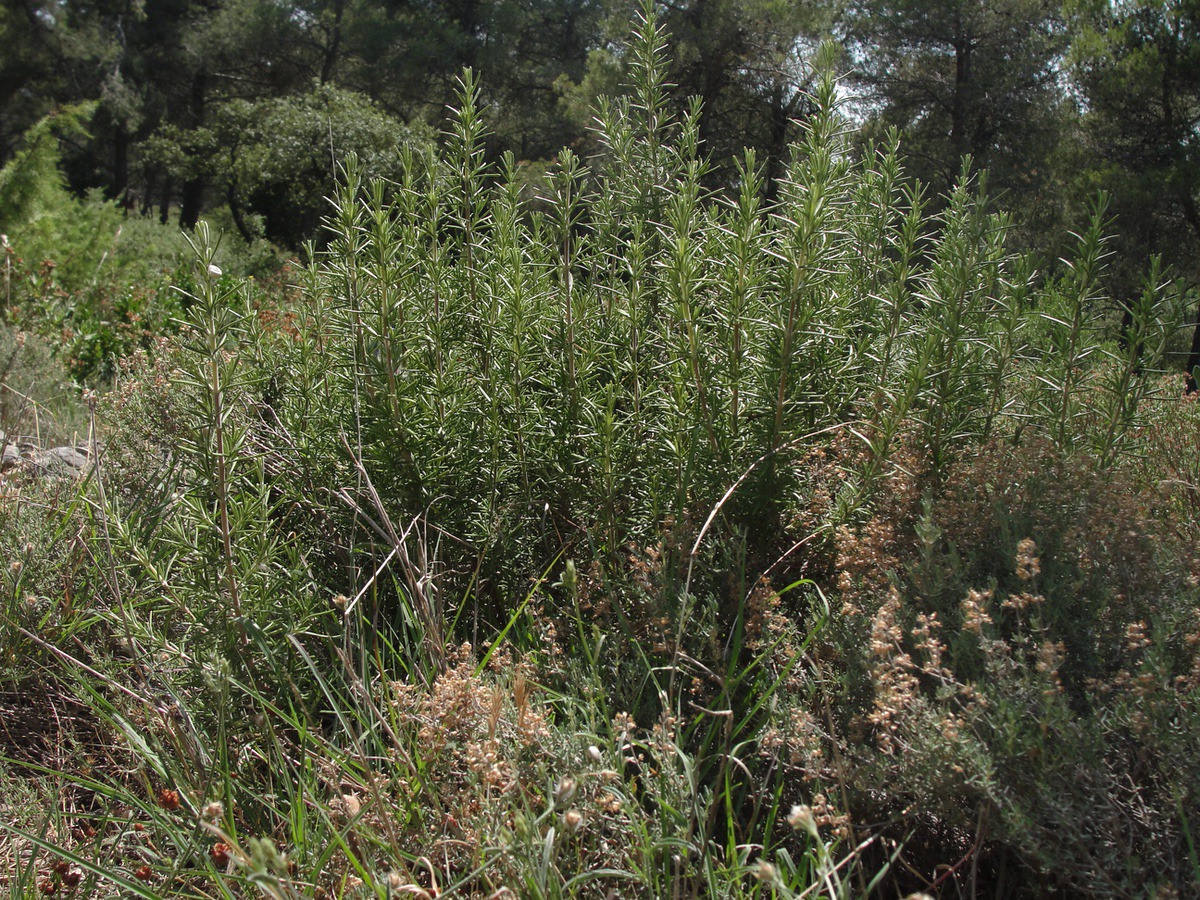
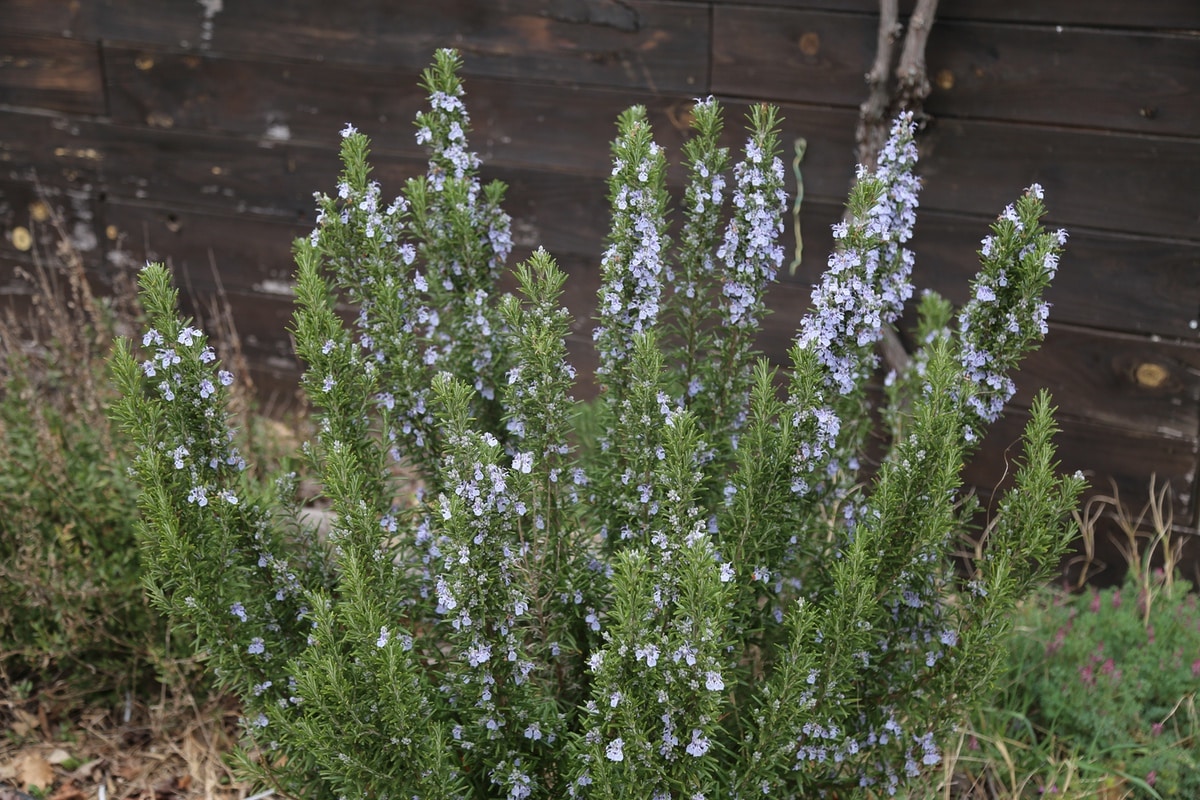
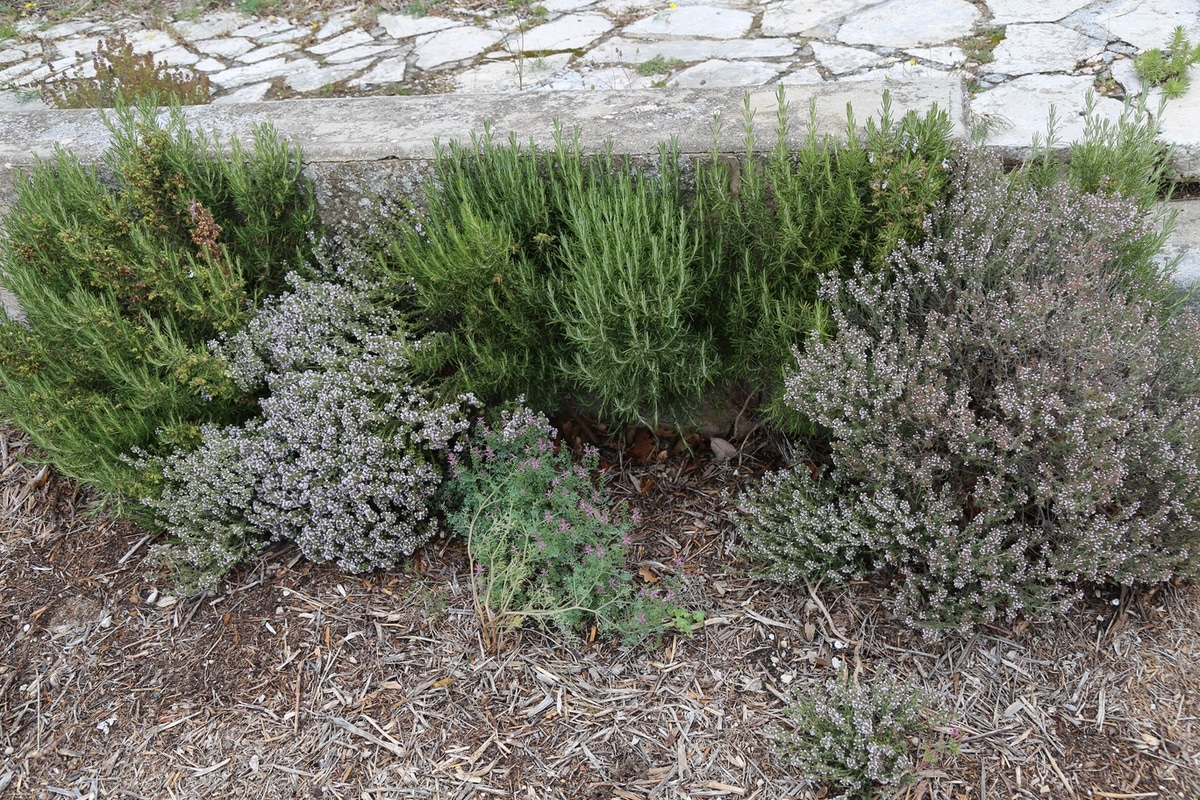
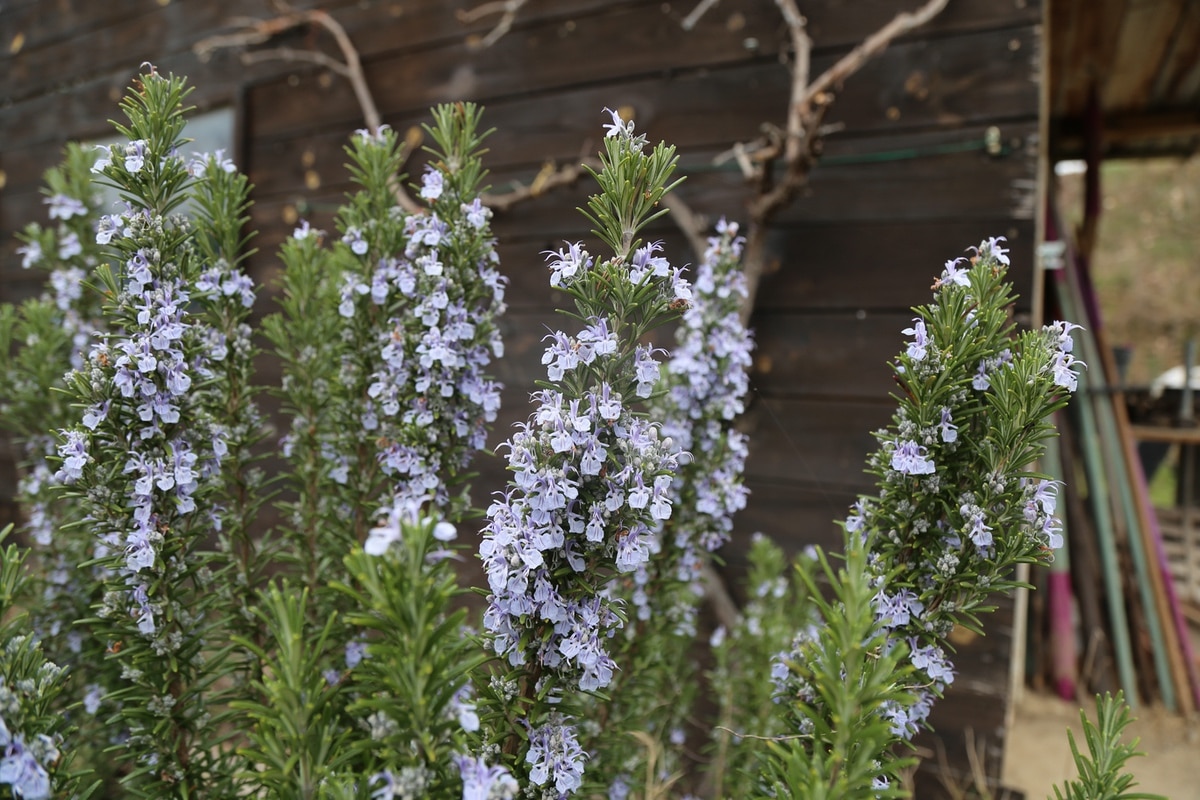
Let’s start with a bit of botanical information. Rosemary is a perennial shrub belonging to the Lamiaceae family (the mint family). It’s a cousin of other strong aromatic lamiaceaes like thyme, oregano, sage, and winter savory.
Rosemary grows very easily in gardens. It needs a lot of sun, good drainage, a relatively poor soil, and practically no water. Definitely a straightforward plant to grow.
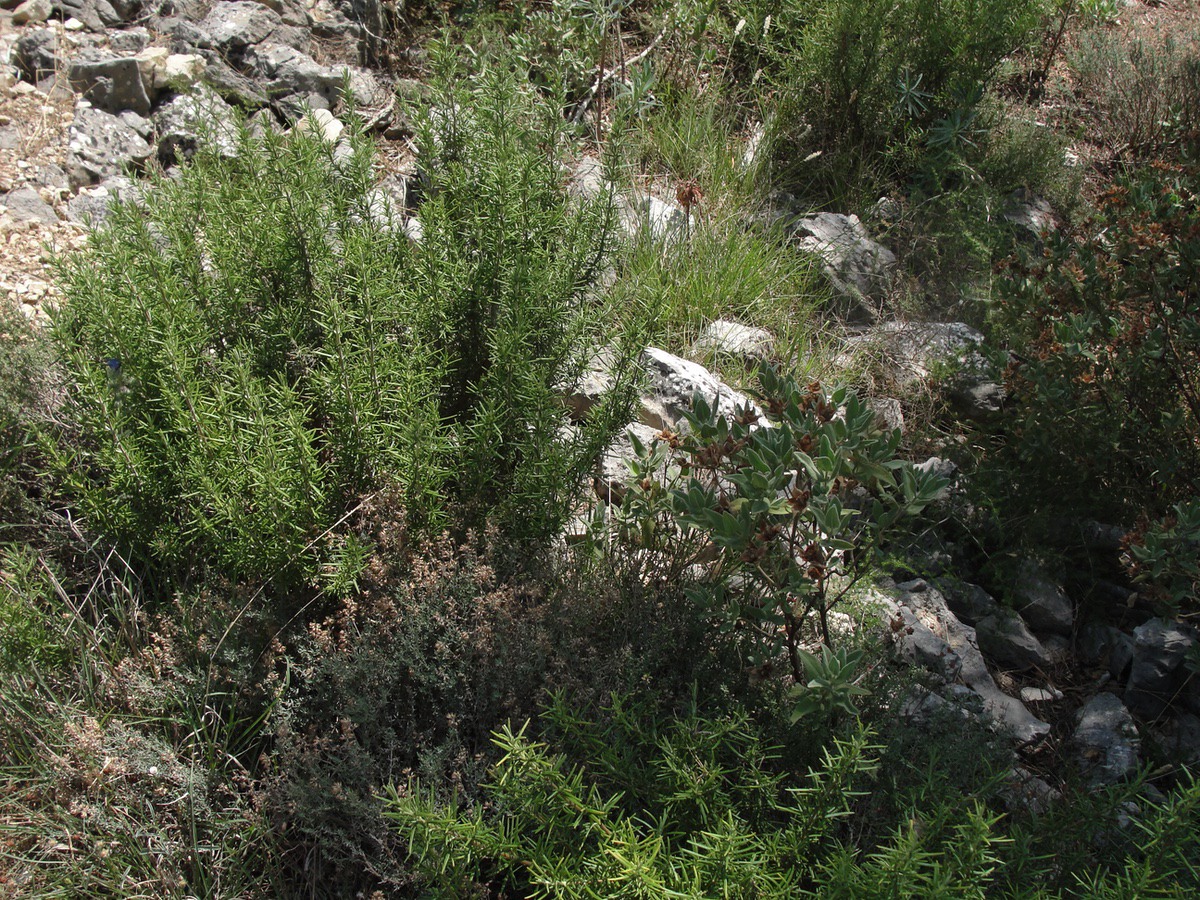
In the wild, in my region in the southeast of France, it is incredibly strong. It grows in a crack of rock, baked by the sun. It has a formidable resilience to drought. And the more it suffers, the more it gives its aromatics and its power.
In my region, rosemary is often overharvested for industrial distillation to obtain the essential oil. This practice is extremely destructive. That’s a shame. For family or small-scale herbalism, it’s still OK to gather rosemary in the wild. But quite frankly, garden rosemary has never disappointed me.
Ideally, you harvest it with pruning shears right at the start of the flowering period. If you miss the flowering period, no worries, your rosemary will still be good and strong. You cut about half of the year’s new growth, which is greener and more pliable than the old woody stems.
On older plants that have never been harvested, you may notice that the lower portion of the plant is very woody and has lost its leaves. On those plants, you can cut those bare branches a bit lower to bring the greenery back down and reshape the plant into a compact bush. This is done gradually over 2 to 3 years.
Avoid cutting when it’s rainy; otherwise, the leaves will blacken when drying, and your rosemary won’t be as strong—the oils will be kind of diluted.
I like to strip the leaves just after cutting the branches, then I dry just the leaves. But some pickers dry the whole branches, then strip the leaves when they are dried. Either way is fine. You need about 8 kilos of fresh cuttings to get 1 kilo of dried leaves.
Dried rosemary keeps well for a year if stored in a dark place away from humidity. It needs to remain strong in taste and smell; otherwise, compost it and go get some fresher rosemary.
The parts used are the leaves, ideally with the flowering tops. Otherwise, just the leaves. The woody branches are uninteresting. The small, pliable branches are OK; you can leave them with your dried material.
If you can use fresh rosemary in teas or tinctures, fantastic. Always better. Otherwise, recently dried is fine as well, as long as your rosemary is still very aromatic.
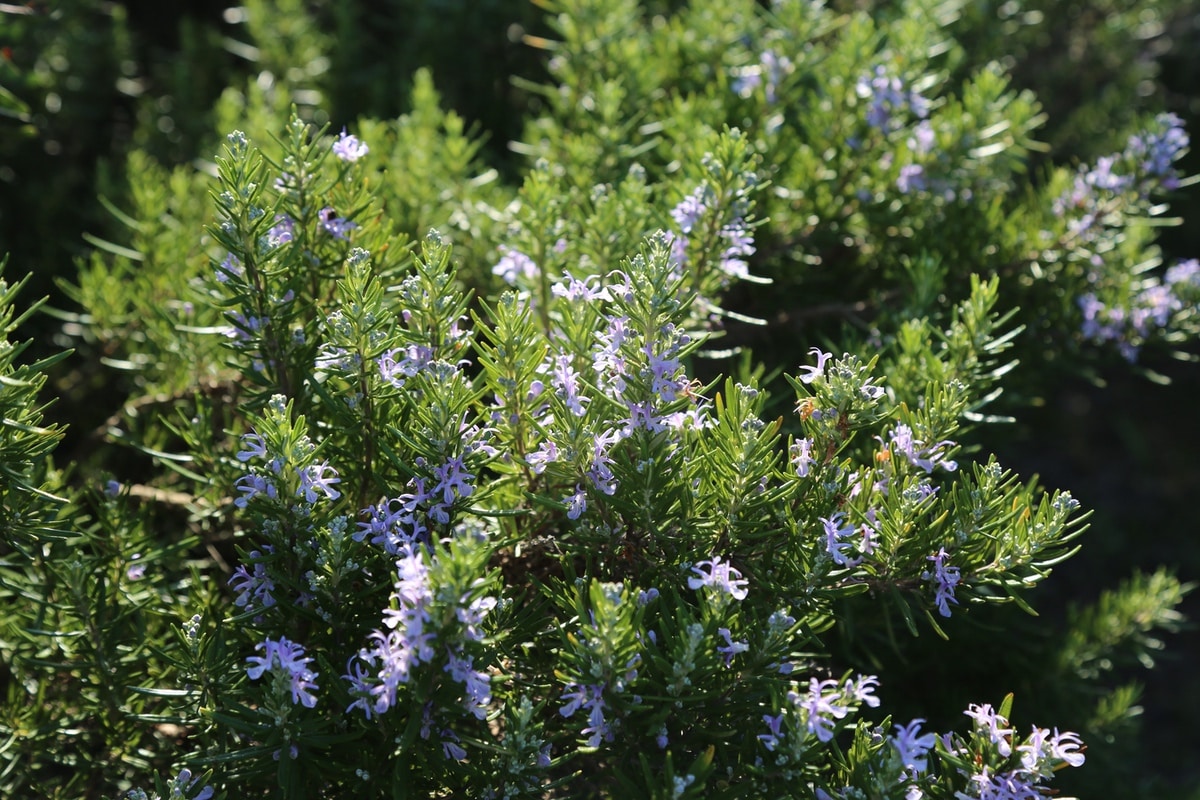
In terms of taste and constituents, there are 3 distinctive dimensions:
First, a strongly aromatic and stimulant dimension. This is due to its essential oil, composed of eucalyptol, camphor, some monoterpenes, and other powerful aromatics.
In aromatherapy, in France, we have 3 distinct chemotypes for rosemary: camphor, eucalyptol and verbenone. These are 3 different remedies, with 3 different sets of properties. So we are going to leave aromatherapy on the side for this episode, cause this will add too much complexity, it would be like doing 3 different plants.
In traditional herbalism using non-distilled preparations, rosemary is rosemary is rosemary. We only have one, not three. Sure, based on the location and the climate, you can feel some differences, but the same overall properties will remain.
Second, a bitter dimension due to the diterpenes and triterpenes. Not very bitter, but somewhat bitter.
Third, an astringent dimension due to the phenolic acids, like rosmarinic acid. Not very astringent, but somewhat astringent.
The overall energetics :
OK, now let’s talk about rosemary’s properties and indications.
The first one I’d like to share with you, that you may not know in the English-speaking world, but boy it is good for this: as a liver stimulant and protector.
It helps the liver make more bile. Through the bile, the liver excretes its waste. We use the term “depurative” or “blood cleansing.” And one thing I love about rosemary is that, contrary to many liver-stimulating plants, it is almost always well tolerated. You know how sometimes you use those liver-tonic plants, and you get a negative reaction? It’s been called a healing crisis in the tradition, and we see that once in a while with dandelion root, burdock root, fumitory, artichoke leaf, etc. The plants have been introduced too quickly, or we recommended too much of it at once, and the person is getting diarrhea or some headaches, or a skin condition is getting worse, etc. Not unusual, but kind of annoying.
Well, here is the deal. Rosemary will almost never provoke such a reaction; it is very well tolerated.
So if you need a plant to stimulate elimination, to bring a gentle liver-depurative action to your blend, think of rosemary.
The second property is that it protects the liver. A bit like milk thistle. It stimulates AND protects at the same time. So if the liver is inflamed, suffering, maybe you have elevated transaminase – ALT, AST, GGT. You know, all those acronyms you may see on a blood panel and that, when elevated, mean your liver is suffering.
Well, in those situations, we often think of milk thistle, artichoke leaf, or desmodium in France. Now you can add rosemary, as a simple tea, to your list. 2 to 3 cups a day; give it some time and see if it helps.
Here is a tea blend for you, percentages given by weight :
German chamomile is here to counterbalance the bitterness of artichoke leaf. Three cups a day, a good, generous tablespoon of the mix per cup.
The liver-protecting action of rosemary has been mostly demonstrated in animal studies, protecting against acetaminophen-induced toxicity, reducing liver fibrosis provoked by carbon tetrachloride, protecting from alcohol-induced injuries, protecting the liver from acrylamide, restoring antioxidant levels like glutathione peroxidase, and enhancing detoxification of toxins. All the references are in the article going with this episode, on my website, as usual.
Next property of rosemary: it is a digestive aid. I don’t want to belabor this one too much because so many plants help with a sluggish digestion, and this is not where rosemary shines. I mean, it is excellent for a deficient digestion; it will reduce fermentation and stagnation, and it will warm and stimulate.
Great combinations: rosemary and ginger. Rosemary and orange peel. Rosemary and peppermint. Great tea blends, love it. But let’s focus on much more interesting properties.
Next one: rosemary is a general tonic. Throughout the centuries, it has been used during periods of fatigue and convalescence.
The French doctor Henri Leclerc called rosemary “a simple plant with undeniable stimulating properties.” And this guy had a lot of clinical experience. He reported good results in cases of weakness after serious fevers and in people worn out from either physical or mental overwork. Does that sound familiar to you? As I said, an old plant for the modern world.
In France, because we use rosemary quite a bit, you’ll often hear people say, “Rosemary is too stimulating.” I drank a tea of it yesterday evening, and I couldn’t sleep. And yes, it can feel a little too energizing for some sensitive people. If that’s you, and you still want to use rosemary, I’d suggest taking it in the morning or midday but not in the evening.
Some people even use rosemary as a coffee substitute. From what I’ve seen, it tends to “work” better for people who are generally very sensitive to herbs. You probably know if it is you. For most others who are hoping for a coffee-like buzz, forget about it. It brings a different kind of stimulation.
Next property, significant. Major one. Rosemary is a brain stimulant and protector. It supports cognitive functions and memory. So very adapted to the aging population. It is a plant I have often integrated in my blend for cognitive decline.
Rosemary helps improve peripheral circulation by relaxing the smooth muscles in blood vessels (Sagorchev et al., 2010). That can be really helpful for older folks who deal with cognitive issues linked to poor blood flow to the extremities—especially the head, maybe due to partially clogged arteries.
On top of that, rosemary seems to act directly on certain brain processes, boosting cognition and memory. For example, it blocks the enzyme that breaks down acetylcholine—a key neurotransmitter (Ozarowski et al., 2013). The term we use for such an herb is “nootropic.”
Because of a compound called ursolic acid, rosemary also affects the dopamine system with an antidepressant effect. Some studies even suggest rosemary could help treat depression, with results in mice similar to certain drugs (Machado et al., 2012).
And here is something interesting: we imagine that rosemary will excite the brain and the nervous system. But at the opposite, it can actually feel calming. How can that be? Let me explain.
For an older person dealing with cerebral circulation problems and some cognitive decline, taking rosemary over the long term can actually make things better. These people are often stressed out by the sense that they’re slipping—little memory lapses, not being able to do their crossword puzzles or sudoku like they used to. In this case, rosemary can actually help to calm the stress linked to the fear of declining too fast and what I would call the fear of Alzheimer’s disease.
Of course, always check with a physician to see if there is no underlying condition that requires medical attention. We don’t want plants to hide something serious, and yes, it could very well be Alzheimer’s disease. So go see your doc.
That being said, when it comes to Alzheimer’s prevention, I think rosemary has huge potential. It offers a multi-layered effect of protecting and stimulating brain function. The protection is offered via a very strong antioxidant effect.
It’s worth mentioning a study on essential oils for dementia in elderly patients (most of them had Alzheimer’s in the study). The researchers diffused a blend of rosemary and lemon essential oils in the morning, lavender and orange in the evening, during 28 days (Jimbo et al., 2009). Very nice and simple blends. This improved cognition in the patients. Granted, the sample size was very small, only 17 individuals, which is a limitation.
Important point: if you can select a chemotype for the rosemary essential oil where you live (in France, it is almost an obligation), pick the Eucalyptol chemotype for cognition.
So to conclude on this section, rosemary stimulates and protects the brain, it improves cognition and focus, it is antidepressant, and it’s a great ally during those times when we need to make big decisions.
Personally, I recommend a daily tea made with rosemary and lavender, a sprig of rosemary and a flowering head of lavender per cup. It should be a little strong but still drinkable. A bit of honey will go super well with this blend. Rosemary brings the mental clarity you need, lavender both relaxes but also opens-up the mind and sharpens focus.
Next indication: rosemary is a heart tonic.
Let me quote Rudolf Weiss, a famous German herb doctor who practiced from the 1920’s to the 90’s. I love Weiss, the experience he brought. He explains that rosemary has a general tonic effect on the neurovascular system. It’s helpful for supporting people with hypotension (which is low blood pressure), most likely thanks to its high camphor content. Weiss tells us that it tends to work especially well for younger adults who are weak, pale, and low on energy.
That frail, pale constitution—poor circulation, lacking vitality—comes up again and again in traditional writings. And it really guides us in knowing when rosemary is the right choice for the person.
In some traditions, it’s been used as a gentle tonic for congestive heart failure. Good pairing with hawthorne, although those two guys have very different energies and personalities.
Of course, congestive heart failure is a medical condition, so always check with your physician if you can take this or that herb.
Last property. And I could go on and on, but I selected the main ones. Rosemary is the great overall protector against modern aggression.
First, its antioxidant power is strong. It protects us against oxidative stress. It’s been validated in multiple studies, thanks primarily to carnosic acid, carnosol, and rosmarinic acid. It offers protection at the cell level and works in synergy with other natural antioxidants like vitamin C and vitamin E.
And if rosemary really does protect our cells, it could also help prevent the appearance of cancer. And studies actually back this up. That said, most of these studies were either in vitro (in the lab) or done on animals, so it’s hard to say precisely how it translates to humans.
Here’s what the research shows so far, based on lab experiments:
It may even help protect cells from radiation damage (Jindal et al., 2010). In mice exposed to radiation, rosemary reduced lipid peroxidation, a marker of cell damage (Soyal et al., 2007). Some studies even refer to rosemary as a “radioprotective” agent (Jindal et al., 2006).
And let’s not forget—these days we’re constantly exposed to radiation from all kinds of sources. Rosemary might just be a daily shield, a kind of natural insurance against the harmful effects of all that exposure.
It’s also been shown to protect skin cells from UV damage (a photoprotective effect) (Martin et al., 2008), and in rats, it helped prevent light-induced macular degeneration. Researchers suggest it might have potential for age-related macular degeneration in humans too (Jindal et al., 2006).
If you add the fact that rosemary helps the liver metabolize toxic material, well, you wonder… could it be the plant that we take a little of every day? You know how we say that about green tea or turmeric, because we have so much data about their benefits? Well, green tea is challenging to grow where I live, and the same goes for turmeric, so they comes from far away places. We’ve seen how turmeric is sometimes spiked with heavy metals if there is no traceability.
But rosemary? We can grow it in our gardens, on our balconies in a pot. A daily cup would be as good, maybe better, than a cup of green tea for overall health.
In terms of forms and quantities.
In terms of precautions:
Well, friends, from the rocky hills of Provence to modern research labs, rosemary has proven its promise time and time again.
In a world full of stressors, rosemary offers us a bridge between past wisdom and future well-being. It reminds us that healing and protection are often found close to home, in the simple ritual of a daily infusion made with a fresh sprig from the garden.
Thanks for being here. I will see you soon for a new episode of TheFrenchHerbal.
Liver protecting properties of rosemary, studies done on animals:
Guimarães, Natalia S. S., Vyctoria Ramos, Laura F. L. Prado-Souza, R. M. Lopes, G. S. Arini, L. G. P. Feitosa, R. R. Silva, I. L. Nantes, D. Damasceno, N. Lopes, and T. Rodrigues. “Rosemary (Rosmarinus officinalis L.) Glycolic Extract Protects Liver Mitochondria from Oxidative Damage and Prevents Acetaminophen-Induced Hepatotoxicity.” *Antioxidants*, 2023.
Emaraa, W. “Effects of Both Garlic and Rosemary Extracts on Rats Liver Fibrosis: A Histochemical and Immunohistochemical Study.” *Zagazig University Medical Journal*, 2015.
Emaraam, W., M. I. Ahmed, M. Refaat, and H. L. Mohammed. “Effects of Both Garlic and Rosemary Extracts on Rats Liver Fibrosis: A Histochemical and Immunohistochemical Study.” *Zagazig University Medical Journal* 21 (2015): 1–11.
Samaha, S. R. “Effects of Rosemary Extract Supplementation on Ethanol Induced Liver Injury in Adult Male Albino Rat.” *Al-Azhar Medical Journal* 46 (2017): 373–382.
Elsayed, Hala, Ashraf Abd El-Hakim El Komy, Elham Abd-El Moneim El-Shewy, and Faten Ebrahim Elsayed Abdallah. “Ameliorative Effect of Cinnamon and Rosemary Oils in Acrylamide–Induced Hepatic Injury in Rats.” *Bionatura*, 2024.
Rašković, Aleksandra, Ivana Milanović, Neda Pavlović, Tatjana Ćebović, Sanja Vukmirović, and Maja Mikov. “Antioxidant Activity of Rosemary (Rosmarinus officinalis L.) Essential Oil and Its Hepatoprotective Potential.” *BMC Complementary and Alternative Medicine* 14 (2014): 225.
Singletary, K. “Rosemary Extract and Carnosol Stimulate Rat Liver Glutathione-S-Transferase and Quinone Reductase Activities.” *Cancer Letters* 100, no. 1–2 (1996): 139–144.
Salah, M., S. M. A. Eldayem, M. Arafa, and N. Haggag. “Hepatoprotective Effect of Rosemary Extract Against Aspartame-Induced Liver Toxicity in Male Rats.” 2019.
Rosemary and cerebral activity:
Sagorchev P, Lukanov J, Beer AM. Investigations into the specific effects of rosemary oil at the receptor level. Phytomedicine. 2010 Jul;17(8-9):693-7.
Ozarowski M, Mikolajczak PL, Bogacz A, Gryszczynska A, Kujawska M, Jodynis-Liebert J, Piasecka A, Napieczynska H, Szulc M, Kujawski R, Bartkowiak-Wieczorek J, Cichocka J, Bobkiewicz-Kozlowska T, Czerny B, Mrozikiewicz PM. Rosmarinus officinalis L. leaf extract improves memory impairment and affects acetylcholinesterase and butyrylcholinesterase activities in rat brain. Fitoterapia. 2013 Dec;91:261-71.
Machado DG, Neis VB, Balen GO, Colla A, Cunha MP, Dalmarco JB, Pizzolatti MG, Prediger RD, Rodrigues AL. Antidepressant-like effect of ursolic acid isolated from Rosmarinus officinalis L. in mice: evidence for the involvement of the dopaminergic system. Pharmacol Biochem Behav. 2012 Dec;103(2):204-11.
Jimbo D, Kimura Y, Taniguchi M, Inoue M, Urakami K. Effect of aromatherapy on patients with Alzheimer’s disease. Psychogeriatrics. 2009 Dec;9(4):173-9.
Rosemary as the great protector:
Petiwala SM, Puthenveetil AG, Johnson JJ. Polyphenols from the Mediterranean herb rosemary (Rosmarinus officinalis) for prostate cancer. Front Pharmacol. 2013;4:29.
Einbond LS, Wu HA, Kashiwazaki R, He K, Roller M, Su T, Wang X, Goldsberry S. Carnosic acid inhibits the growth of ER-negative human breast cancer cells and synergizes with curcumin. Fitoterapia. 2012 Oct;83(7):1160-8.
Tai J, Cheung S, Wu M, Hasman D. Antiproliferation effect of Rosemary (Rosmarinus officinalis) on human ovarian cancer cells in vitro. Phytomedicine. 2012 Mar 15;19(5):436-43.
Barni MV, Carlini MJ, Cafferata EG, Puricelli L, Moreno S. Carnosic acid inhibits the proliferation and migration capacity of human colorectal cancer cells. Oncol Rep. 2012 Apr;27(4):1041-8.
Russo A, Lombardo L, Troncoso N, Garbarino J, Cardile V. Rosmarinus officinalis extract inhibits human melanoma cell growth. Nat Prod Commun. 2009 Dec;4(12):1707-10.
Jindal A, Agrawal A, Goyal PK. Influence of Rosemarinus officinalis extract on radiation-induced intestinal injury in mice. J Environ Pathol Toxicol Oncol. 2010;29(3):169-79.
Soyal D, Jindal A, Singh I, Goyal PK. Modulation of radiation-induced biochemical alterations in mice by rosemary (Rosemarinus officinalis) extract. Phytomedicine. 2007 Oct;14(10):701-5.
Jindal A, Soyal D, Sancheti G, Goyal PK. Radioprotective potential of Rosemarinus officinalis against lethal effects of gamma radiation : a preliminary study. J Environ Pathol Toxicol Oncol. 2006;25(4):633-42.
Martin R, Pierrard C, Lejeune F, Hilaire P, Breton L, Bernerd F. Photoprotective effect of a water-soluble extract of Rosmarinus officinalis L. against UV-induced matrix metalloproteinase-1 in human dermal fibroblasts and reconstructed skin. Eur J Dermatol. 2008 Mar-Apr;18(2):128-35.
Jindal A, Soyal D, Sancheti G, Goyal PK. Radioprotective potential of Rosemarinus officinalis against lethal effects of gamma radiation : a preliminary study. J Environ Pathol Toxicol Oncol. 2006;25(4):633-42.