Hey there, Christophe from TheFrenchHerbal.
In this episode, we are talking about a family of plant constituents called mucilages. It’s a term you’re going to hear very often in the world of medicinal plants and herbalism, and it’s important to understand what it means.
So, what exactly is a mucilage? Well, it’s a substance that the plant uses to retain water. It’s a molecule with a strong affinity for water—kind of like a little sponge, if you will. From a chemical standpoint, a mucilage is a large molecule derived from sugars.
Technically, it’s a polysaccharide, meaning it’s made up of sugars linked together. Keep that term in mind—polysaccharides—because you’ll come across it regularly when you study plants. Mucilages are a specific type of polysaccharide. There are several kinds of mucilages, and the discussion can get very complex. So I’m going to keep it simple. I’ll talk about mucilages in general without getting into the specific chemical structures.
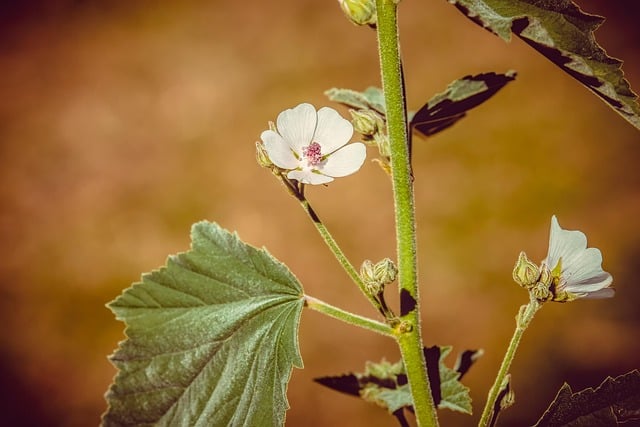
These mucilages love water, and they have the ability to form what we call a gel. When they are in a dry form, like those found in dried marshmallow roots for instance, and you mix them with water, they swell quite a bit to form that gel. In general, we do a maceration in cold water, because mucilages can sometimes be partially degraded by heat. So the purist interested in just the mucilage portion of, say, marshmallow root or psyllium, will do a cold maceration.
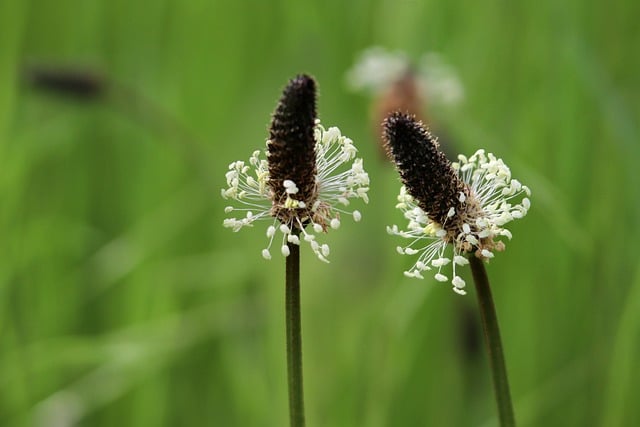
Now, if the plant contains other constituents, hot water will usually do a better job of extraction, because heat makes plant tissues softer, and there is molecular agitation that makes extraction better. So plantain leaves do contain mucilages, but also iridoids, flavonoids, phenolic acids, tannins, and more. So here, a hot infusion, a tea in other words, will be better to extract as much as we can. And don’t worry too much about the mucilage portion. It might be degraded a bit, but overall, it will be fine.
So let’s go back to that famous “gel”. In most cases this doesn’t create a stiff gelatin—like that very bouncy British dessert you may have tasted if you went to England. It’s not like a “jello”. It’s more of a soft, liquid-like gel. And it will depend on the plant as well; some plants can make a very thick gel, while others make a thinner, more liquid gel.
Marshmallow root makes a very thin and liquid type of gel. Very pleasant to drink. Slightly sweet. When you are not used to preparing marshmallow root as a cold infusion, you may be a bit surprised, thinking you should have obtained a thicker kind of gel. But no, you did not make a mistake; it remains quite fluid.
On the other hand, psyllium husks make a very thick gel if you put enough in the water and wait long enough. Sometimes you want to put psyllium in the water, stir, and drink it right away to avoid a thick paste.
Powdered fenugreek seeds also make a very thick gel, and on top of that, it is quite bitter. So same here, you may want to stir and drink rapidly.
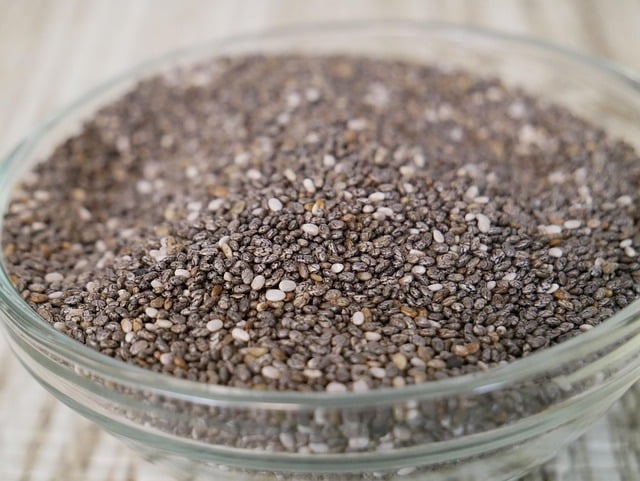
Now, here is a very interesting point. Mucilages cannot be broken down by our digestive enzymes. That means our digestive system cannot convert them into sugars, so they don’t raise blood sugar levels. In fact, because they tend to absorb and trap liquids, they can actually pull certain dietary sugars away from the absorption sites in the intestinal tract. So at the opposite, they will lower blood sugar slightly by blocking absorption.
Further down in the colon, they become a preferred food source for the gut flora, which metabolizes them into what we call short-chain fatty acids. These are very beneficial for the lining of the colon, and they will be absorbed and used as a source of energy by the body.
This explains why, in the French tradition, very mucilaginous plants were traditionally used for convalescents with weak digestion—letting the gut flora do the work, if you will, and soothing the digestive tract along the way.
Mucilages act as prebiotics: they help nourish the intestinal bacteria, which is pretty interesting based on what we know today regarding the gut flora and dysbiosis in the general population.
Let me give you a list of the main mucilaginous plants, and then I’ll explain in what situations we use them.
OK now, let’s talk about the properties of mucilages and mucilaginous plants.
In terms of precautions, just like tannins, mucilages should be taken away from meals and away from medications or supplements, because they can trap micronutrients from food, or medication, and block their absorption.
And that’s it for mucilages. Thanks for being here, and I will see you very soon for the next episode of TheFrenchHerbal!