Today I’d like to talk about something that affects a huge portion of the population, especially women: anemia. In France, estimates show that about 25% of premenopausal women have an iron deficiency, and 5% are actually anemic. These numbers go way up during pregnancy, postpartum, and in older age.
Now, we’re going to go much further than the usual advice of “just eat more iron-rich foods.” In real life, that’s often not enough to correct the problem. The same goes for iron pills—their effect is limited, and sometimes even problematic for certain people. So today the idea is to lay out a real, long-term strategy.
I’ll give you a ton of information, all of which you’ll find on my website in the article that goes along with this episode. So if you don’t catch everything, no worries—all the details are written down over there.
Towards the end, I’ll summarize all the key points for you. The episode is indexed, so you can skip straight to the recap if you want.
Quick reminder: I’m not a doctor, pharmacist, or healthcare professional. Anemia is a medical condition, and sometimes it can hide something serious. So always check with your doctor. This episode is not meant to replace medical care.
Let’s start with the basics. Anemia means your blood hemoglobin levels are too low.
Hemoglobin is a protein inside your red blood cells. It’s what gives them their red color. Its main job is to carry oxygen throughout your body. In your lungs, hemoglobin grabs the oxygen you breathe in, then delivers it everywhere, so your cells can use it to make energy.
If you don’t have enough hemoglobin, your blood cannot carry oxygen as well. Which means overall, your body is less oxygenated. That explains the main symptoms: fatigue, shortness of breath, paleness, low energy.
The real question is, why are we low on hemoglobin?
If we think about it in simple terms, either we’re not making enough, or we’re losing too much — or both.
The main reason we don’t make enough is a lack of raw materials to build hemoglobin, or we are missing the cofactors needed in the bone marrow (that’s where hemoglobin is made, inside your bones).
On the “losing too much” side, here’s what can happen:
So basically, there are many different causes, and many different types of anemia. I won’t go into all of them here—that’s something to discuss with your doctor. Just know that anemia can be due to a lack of iron, B12, folate, or too much destruction of red blood cells, and so on. For our discussion, let’s just keep it simple and say either you don’t have enough raw materials, or you’re losing too much.
If there’s bleeding, first step is always to see your doctor. Don’t try to self-manage and miss the correct diagnosis. That said, if bleeding is recurrent, plants rich in tannins can sometimes help. Think micro-bleeding in the gut, heavy periods—basically any kind of frequent bleeding. Tannins are helpful here: simple teas made with blackberry leaves, raspberry leaves, agrimony, or other astringent plants. They will slow down the loss.
Important note: Don’t take tannins with iron-rich foods or supplements, since they block absorption. Better to have them between meals, if your doctor gives the OK.
Now let’s look at the inputs, especially through diet. We saw that amino acids (proteins) matter. B vitamins are essential. And of course, iron.
If you’re low in iron, your doctor will figure it out through a blood test, looking at things like:
That’s a very rough sketch. Your doctor will interpret the details.
If anemia comes with normal or high ferritin and low-to-normal transferrin, it may be an inflammation-linked anemia. We’ll come back to that in a bit.
For now, let’s assume we want to boost iron intake because blood tests show iron and ferritin are low.
So, let’s turn to food. In general:
Of course, everyone will make choices based on their own values and preferences. Many people don’t eat animal products and still aren’t anemic. That said, you can optimize how well you absorb non-heme iron.
I’m not going to list every single food with its iron content—plenty of websites do that better. What I do want to focus on is what to avoid if you want to maximize iron absorption, and then we’ll see what you can add to help.
And before you think “oh man, I can’t eat anything anymore,” don’t worry—that’s not the goal here. The goal is to understand the big picture and then make adjustments that make sense for your situation, values, and lifestyle. No extra stress—just clarity.
So here are some ground rules.
First, don’t combine polyphenol-rich foods and drinks with your iron-containing meals. What falls into this category?
All polyphenols can partially block iron absorption if taken with iron-rich meals. That means you can take them away from meals, right? Plenty of in vitro studies confirm this—polyphenols bind to iron and form complexes that aren’t absorbed.
Human studies are trickier, but some do exist. For example, one study found that taking a supplement with black tea powder, cocoa powder, and grape extract reduced iron solubility in vitro by 80%, and blocked absorption in humans by about 40% (Buerkli et al., 2022). Small caveat: this was tested on people with hemochromatosis (iron overload). The inhibition still exists for those with iron deficiency, but probably to a lesser extent.
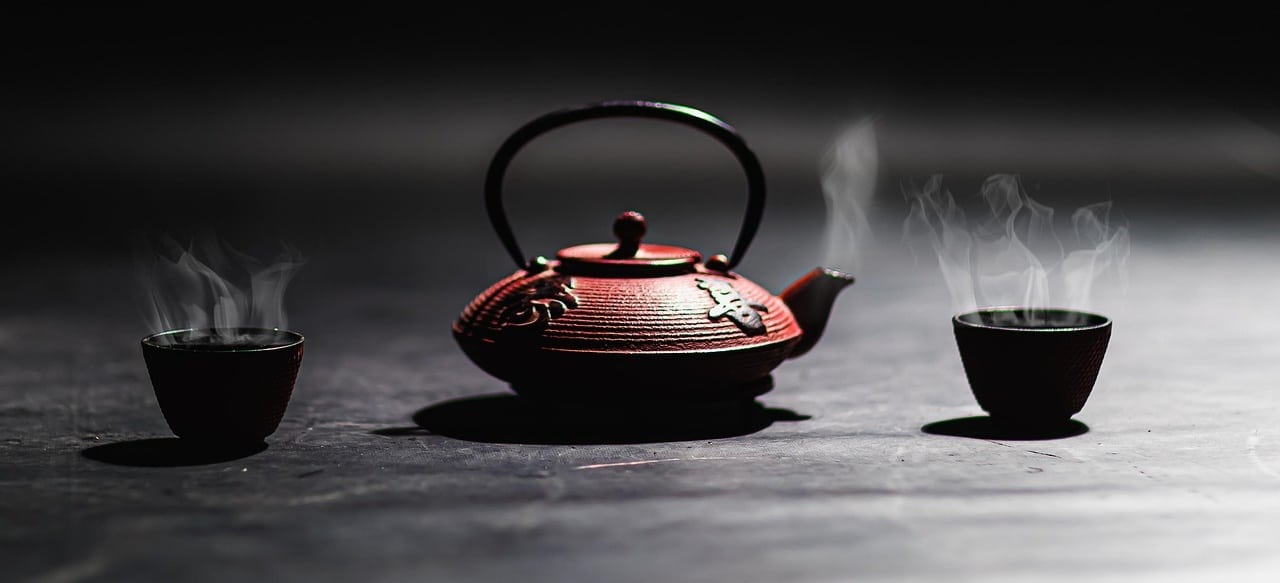
Bottom line: drinking teas or herbal teas with meals can definitely interfere with non-heme iron absorption. Same with peppermint, verbena, linden. Black tea has the strongest effect; green tea much less.
Fruit juices high in polyphenols—grape, cranberry (very tannic), etc.—are also best avoided right with meals.
And the effect is dose-dependent: the more concentrated the polyphenols, the more inhibition. Adding milk doesn’t help (Hurrell et al., 1999). Check the references on my site if you want the deep dive.
Conclusion: with meals, stick to water. Same just before meals and during digestion, to avoid interactions. If you can’t give up your coffee or tea after eating, accept that you’ll lose some iron absorption.
As for cacao: yes, it’s rich in polyphenols. But I don’t have hard data on whether a small square of dark chocolate at the end of a meal makes a significant difference. Hard to say.
Also keep in mind some unripe fruits with that dry, puckering, “astringent” feel in the mouth—like certain persimmons—are best avoided during this time.
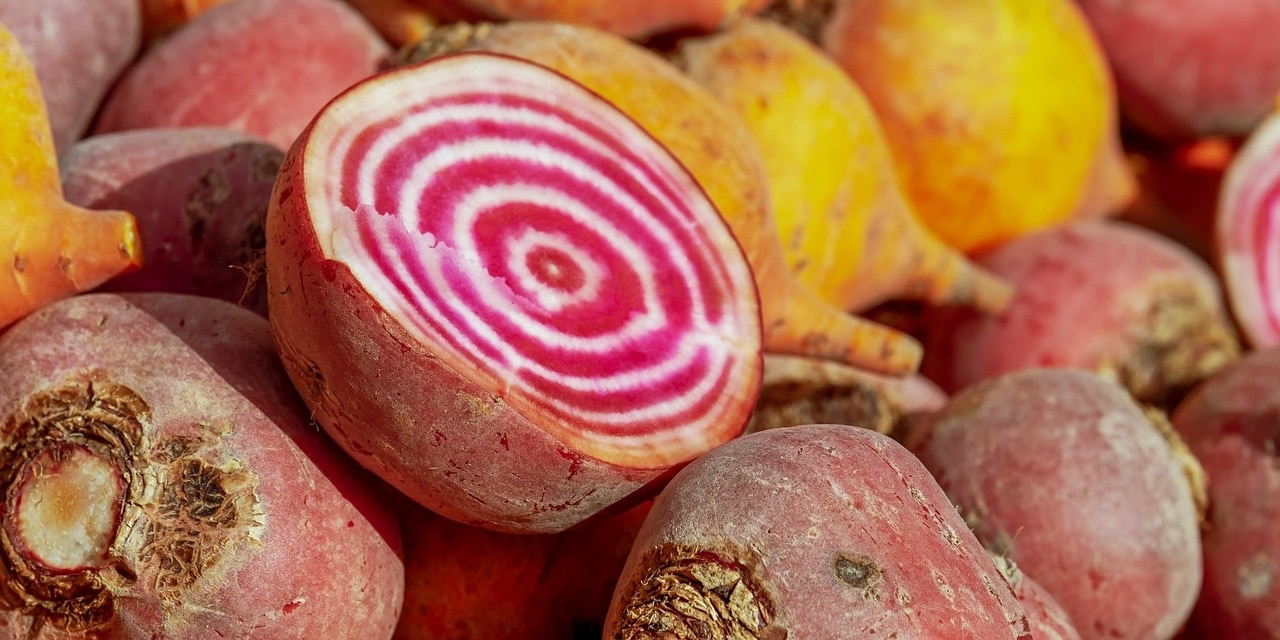
Foods high in oxalates (spinach, rhubarb, beets, chard, amaranth, etc.) also block iron absorption, especially non-heme iron. Does that mean you should cut them out completely? Not necessarily—maybe just during the time you’re working on correcting anemia.
To complicate things, some small, lower-quality studies suggest that beetroot (powder or juice) might actually help raise hemoglobin.
Let’s talk about legumes. Human studies show a very low absorption rates from lentils, beans, split peas, and soy—less than 2% (Lynch et al., 1984).
This is due to phytates (but also fiber, and polyphenols), which bind iron and block absorption (Sebastiá et al., 2001). But preparation methods can help: soaking, sprouting, then cooking reduce phytates and improve bioavailability.
So, should we avoid legumes? Absolutely not—especially if you’re vegetarian or vegan. Just don’t count on them as a major source of bioavailable iron. And preparation methods make a difference.
Same for other foods containing lots of phytates, and that includes cereals, nuts and seeds. Check how you prepare them and how to minimize phytate content.
Avoid calcium supplements with meals. One study confirmed calcium reduces iron absorption (Hallberg et al., 1992). This includes dairy products too. Does that mean cutting out all calcium-rich foods? No—that would be way too restrictive.
But if you’re taking a calcium supplement, do it away from meals. If you eat a lot of dairy, maybe reduce it a bit. Simple tweaks.
OK, enough about what to cut back on. Let’s talk about what actually helps.
The superstar here is vitamin C. It’s well known for boosting iron absorption. You can add it as juice (like lemon juice), in foods (like parsley, kiwi), or even as a supplement.
Studies show that just 50 mg of vitamin C with a meal can double or even triple non-heme iron absorption (Cook & Monsen, 1977; Lynch & Cook, 1980).
Why? Because vitamin C reduces ferric iron (Fe³⁺) to ferrous iron (Fe²⁺), which is absorbed better in the intestines. This mainly applies to non-heme iron. Vitamin C also helps block the inhibitory effect of polyphenols. Super useful.
So, an easy tip: take a bit of vitamin C at the start of meals. No need for huge doses. (And the studies say it’s not necessary with iron pills for most patients—it’s mostly useful with meals.)
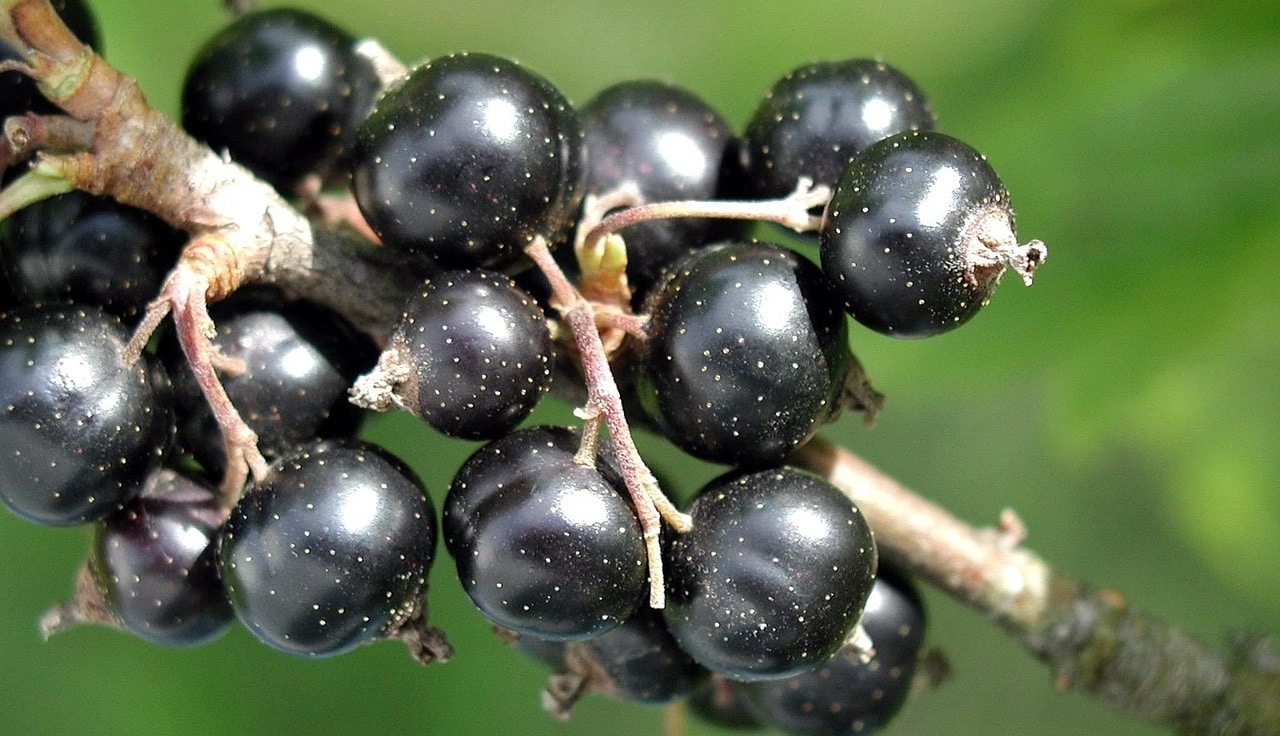
Now, what if your vitamin C food/juice is also high in polyphenols? Like parsley, blackcurrant juice, or blueberries? Honestly, we don’t really know how the two balance out. But hey, relax—those foods are great for your health anyway. And as you’ll see, we have bigger issues to deal with beyond diet alone.
So that’s it for food, drinks, and meals. Now let’s talk about factors people often overlook when it comes to anemia: digestion and absorption.
Absorption is just as important as what you eat.
First, stomach acidity. One study explains that good gastric acidity and good secretions in the stomach are among the most important factors to make non-heme iron more available (Annibale et al., 2003). And guess what? Today, do we see more excess stomach function or more deficiencies? Well, with aging, Helicobacter pylori, and high stress levels that slow down digestion—we see a lot of deficiencies.
So, if you want to absorb iron and those key vitamins better, why not think about a bitter tonic like gentian before meals? I have a full episode dedicated to gentian where I explain how to use that amazing digestive tonic.
Next, gut flora imbalances. The microbiome plays a massive role in absorption and metabolism. If you suspect dysbiosis, rebuilding the gut flora is necessary, through dietary adjustments, adding fiber, and maybe fermented foods if you tolerate them.
On the probiotic side, a study (Koker et al., 2024) showed that the strain Lactobacillus plantarum (specifically strain 299v) can help improve iron absorption, make iron supplements easier to tolerate (less bloating and stomach pain), and increase ferritin levels.
There’s also a 2025 systematic review showing that in women of childbearing age, prebiotics and/or probiotics (with or without oral iron) improved ferritin and iron absorption (Apte et al., 2025).
So yes, probiotics are worth keeping in mind.
Now let’s talk about chronic inflammation. It can make existing anemia worse, and sometimes it’s the main cause.
Here’s why: when the body is inflamed, the liver makes hepcidin, a hormone that blocks iron release and reduces absorption in the intestinal tract. So iron stays “trapped” in storage, leaving less iron available for the bone marrow to make hemoglobin.
If you’re anemic, your doctor will probably check your ferritin levels and combine that with CRP or other inflammation markers to see if inflammation is behind it.
This is often called “inflammatory anemia” or “anemia of chronic disease.” If you suspect low-grade chronic inflammation, one of the strategies could be to add anti-inflammatory plants or supplements, and to move toward a less inflammatory lifestyle: more physical activity, better sleep, etc. Big subject, I know, but keep in mind it may be one of the key blocks to progress.
Finally, medicinal plants. Yes, it took a while to get here, but today, with all these complex issues and dysfunctions, we need to think big-picture.
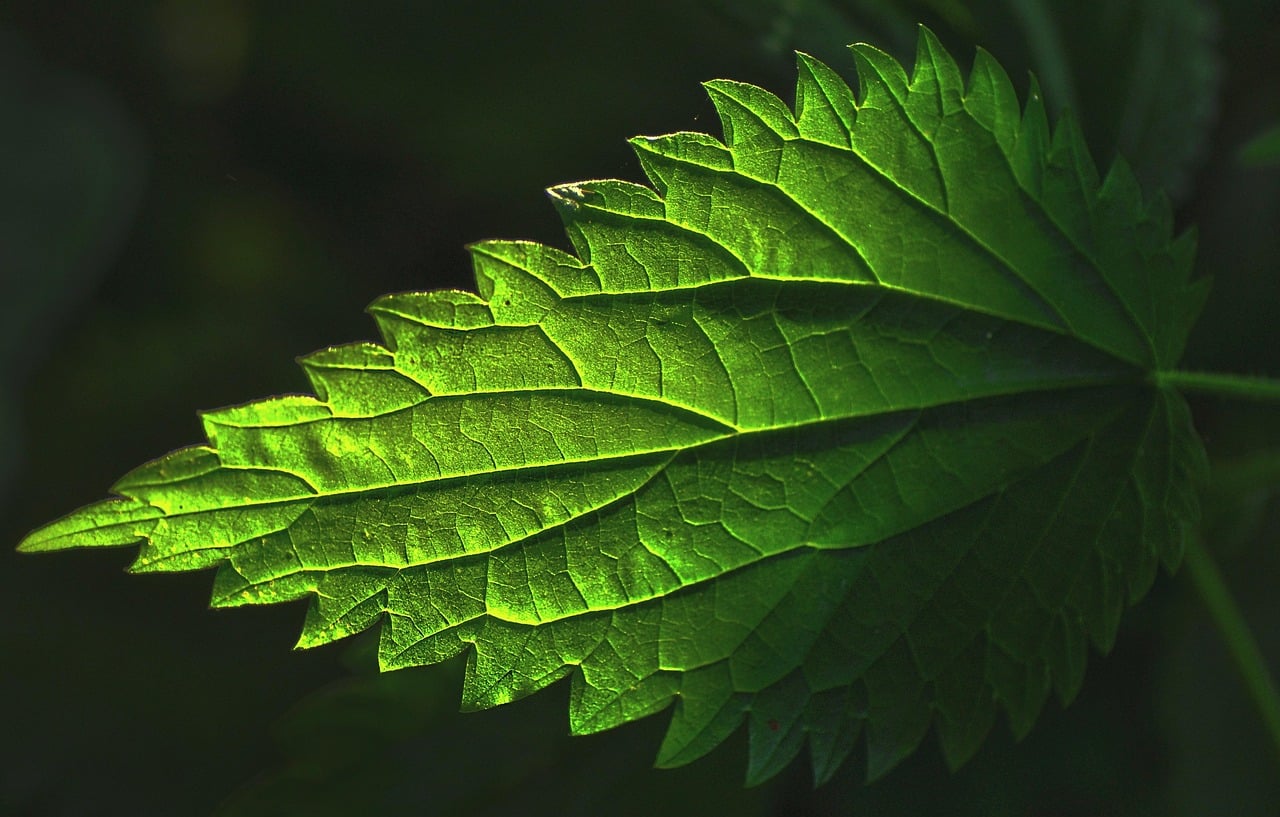
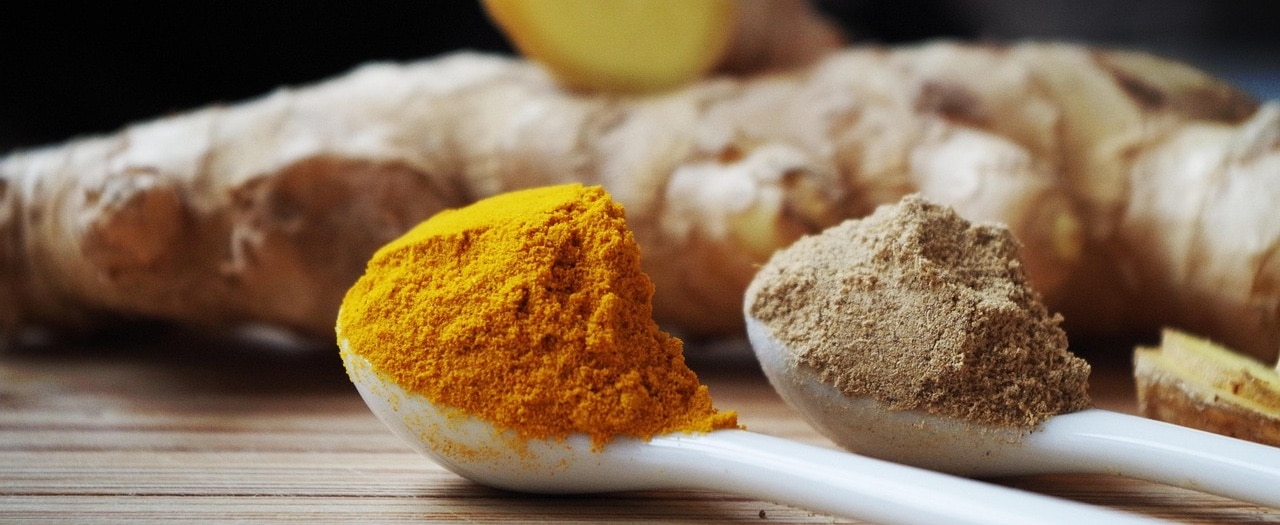
The iron content of medicinal plants isn’t huge, but they can still help with anemia. The classic one: nettles. You can drink it as a tea of the leaves or add the powdered leaves into something like applesauce.
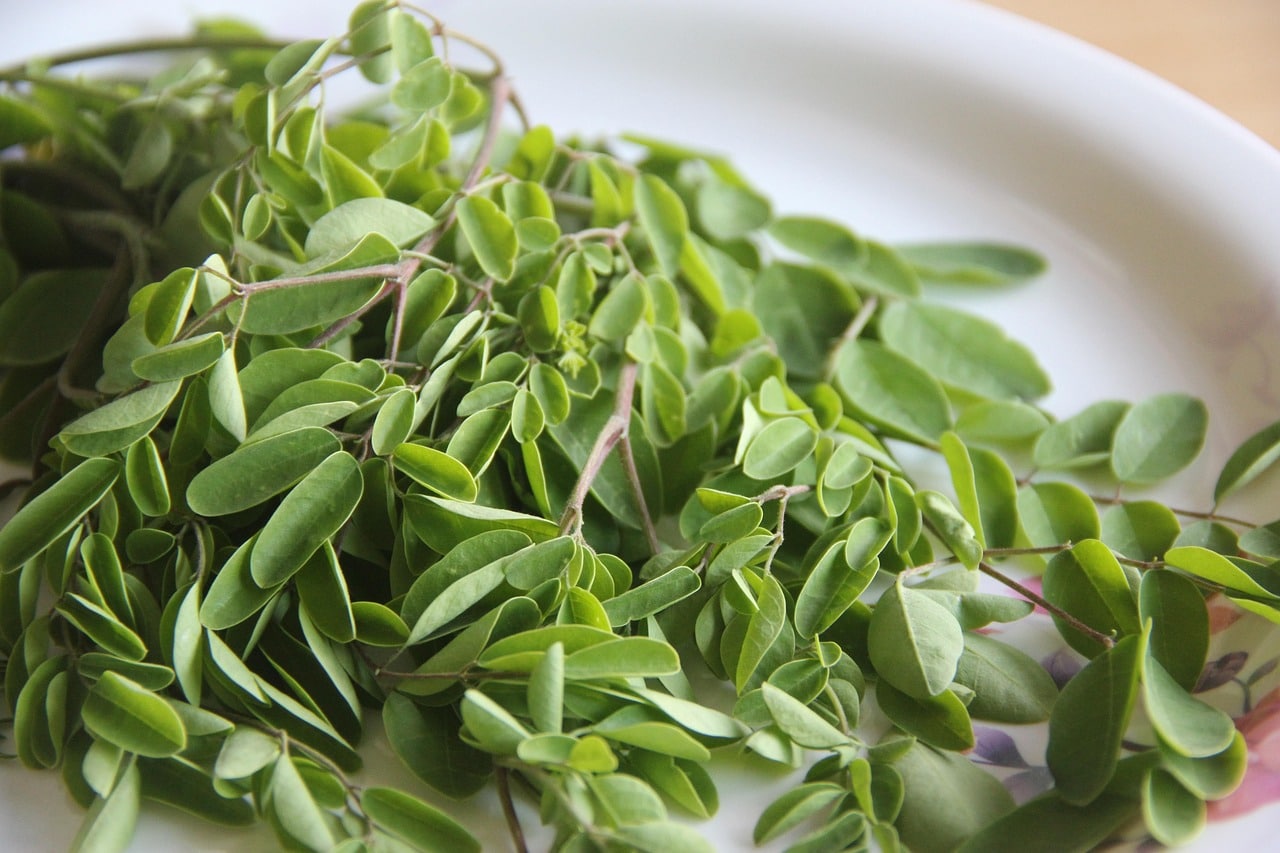
Dried moringa leaves in powder form are also great. Strong taste, though. Go slow. But very rich in iron.
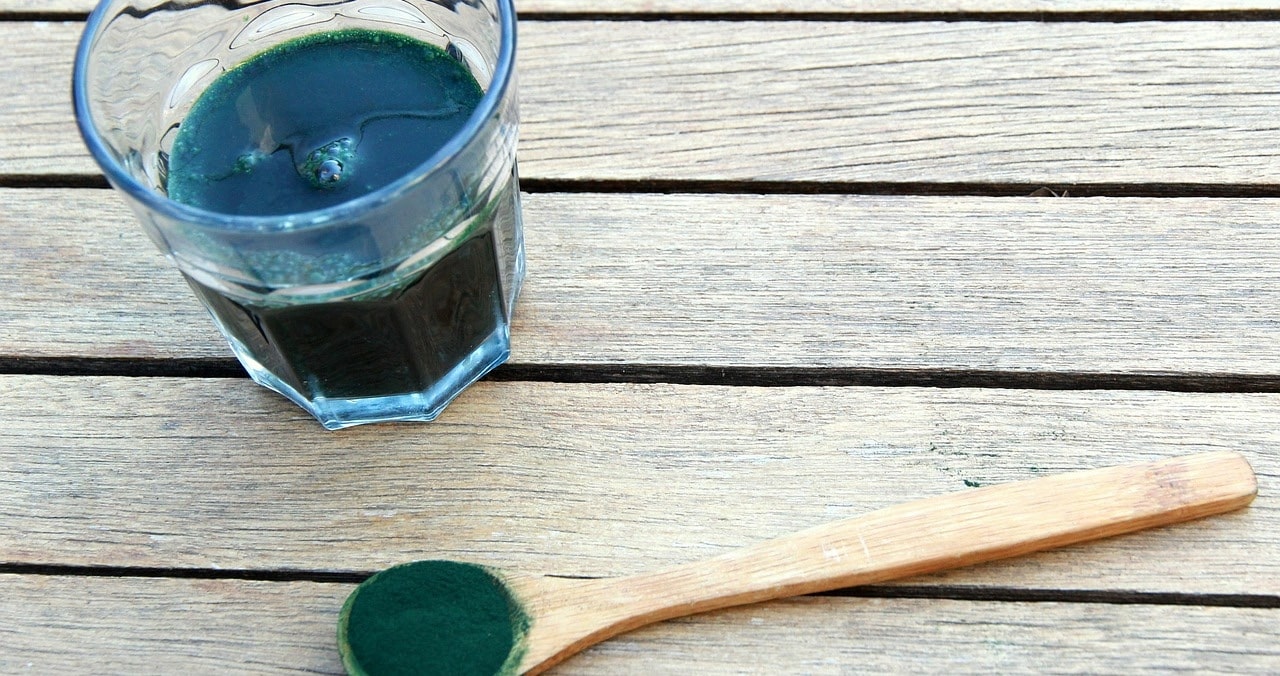
Spirulina is a significant iron source. Several studies show spirulina’s benefits in anemia. For example, just 1 g/day for 60 days improved hemoglobin levels in anemic children. Pregnant women who took spirulina had lower rates of anemia at the end of pregnancy compared to controls. Spirulina has been successfully used in large-scale programs to fight anemia in Africa (Khan et al., 2005; Azabji-Kenfack et al., 2011; Bendech et al., 2022).
Let’s wrap up with dietary supplements. Because, as we’ve seen, multiple deficiencies can pile up. A high-quality multivitamin from a trusted company can be a good idea.
Also worth noting: some people have genetic polymorphisms and need methylated B vitamins. Today, some multivitamins provide those forms, and for certain people, they’re more effective. (I won’t go down the MTHFR rabbit hole here—that would be too much for this episode.)
You’ll find studies on my site showing that a full panel of micronutrients is often more effective than just iron + folic acid to correct anemia (Ahmed et al., 2010; Allen & Peerson, 2009).
Let’s summarize—because I know this was a lot:
That’s the overall strategy. And yes, it’s a lot. But I hope I’ve given you a broad, useful view of how to approach anemia—especially if you’ve already tried simply eating more iron-rich foods and nothing changed.
Thanks for listening, and see you very soon for the next episode!
French Health Insurance: https://www.ameli.fr/assure/sante/themes/anemie-par-carence-en-fer/comprendre-anemie-carence-fer
Kotzé, S., Pedersen, O., Petersen, M., Sørensen, E., Thørner, L., Sørensen, C., Rigas, A., Hjalgrim, H., Rostgaard, K., Ullum, H., & Erikstrup, C. (2016). Low‐grade inflammation is associated with lower haemoglobin levels in healthy individuals: results from the Danish blood donor study. Vox Sanguinis, 111. https://doi.org/10.1111/vox.12396
Buerkli, S., Salvioni, L., Koller, N. et al. The effect of a natural polyphenol supplement on iron absorption in adults with hereditary hemochromatosis. Eur J Nutr 61, 2967–2977 (2022). https://doi.org/10.1007/s00394-022-02829-8
Hurrell RF, Reddy M, Cook JD. Inhibition of non-haem iron absorption in man by polyphenolic-containing beverages. Br J Nutr. 1999 Apr;81(4):289-95. PMID: 10999016.
Lynch, S., Beard, J., Dassenko, S., & Cook, J. (1984). Iron absorption from legumes in humans. The American journal of clinical nutrition, 40 1, 42-7. https://doi.org/10.1093/AJCN/40.1.42
Sebastiá, V., Barberá, R., Farré, R., & Lagarda, M. (2001). Effects of legume processing on calcium, iron and zinc contents and dialysabilities. Journal of the Science of Food and Agriculture, 81, 1180-1185. https://doi.org/10.1002/JSFA.927
Hallberg L, Brune M, Erlandsson M, Sandberg AS, Rossander-Hultén L. Calcium: effect of different amounts on nonheme- and heme-iron absorption in humans. Am J Clin Nutr. 1991 Jan;53(1):112-9. doi: 10.1093/ajcn/53.1.112. PMID: 1984335.
Cook, J., & Monsen, E. (1977). Vitamin C, the common cold, and iron absorption. The American journal of clinical nutrition, 30 2, 235-41. https://doi.org/10.1093/AJCN/30.2.235
Lynch, S., & Cook, J. (1980). Interaction of Vitamin C and Iron. Annals of the New York Academy of Sciences, 355. https://doi.org/10.1111/j.1749-6632.1980.tb21325.x
Annibale B, Capurso G, Delle Fave G. The stomach and iron deficiency anaemia: a forgotten link. Dig Liver Dis. 2003 Apr;35(4):288-95. doi: 10.1016/s1590-8658(03)00067-7. PMID: 12801042.
Koker G, Sahinturk Y, Ozcelik Koker G, et al. Improved gastrointestinal tolerance and iron status via probiotic use in iron deficiency anaemia patients initiating oral iron replacement: a randomised controlled trial. British Journal of Nutrition. 2024;132(10):1308-1316. doi:10.1017/S0007114524002757
Apte, A., Parge, A., Nimkar, R. et al. Effect of probiotic and prebiotics supplementation on hemoglobin levels and iron absorption among women of reproductive age and children: a systematic review and meta-analysis. BMC Nutr 11, 31 (2025). https://doi.org/10.1186/s40795-025-01015-3
Khan, Zahid, Syed A. Bhadouria, and M. P. Bisen. “Nutritional and Therapeutic Potential of Spirulina.” Current Pharmaceutical Biotechnology 6, no. 5 (2005): 373–379. https://doi.org/10.2174/138920105774370607
Azabji-Kenfack, Marcel, Florence Dikosso Etoa, Maryse Loni Etoa, Alain Tene Soppi, Zacharie Djeunga Noumsi, and Maurice Demen Hiffler. “Spirulina as a Daily Supplement to Prevent Iron Deficiency Anemia in Pregnant Women in the Far North Region of Cameroon.” Food and Nutrition Bulletin 32, no. 1 (2011): 39–47. https://doi.org/10.1177/156482651103200105
Bendech, Mohamed A., Monique Coulibaly-Zerbo, Danielle Traoré, et al. “Integrating Spirulina into Community-Based Nutrition Programs for Children and Women in Burkina Faso.” Maternal & Child Nutrition 18, no. S1 (2022): e13286. https://doi.org/10.1111/mcn.13286
Ahmed F, Khan MR, Akhtaruzzaman M, et al. Long-term intermittent multiple micronutrient supplementation enhances hemoglobin and micronutrient status more than iron + folic acid supplementation in Bangladeshi rural adolescent girls with nutritional anemia. J Nutr. Oct 2010;140(10):1879-1886.
Allen LH, Peerson JM. Impact of multiple micronutrient versus iron-folic acid supplements on maternal anemia and micronutrient status in pregnancy. Food Nutr Bull. Dec 2009;30(4 Suppl):S527-532.